The Hidden Hotel Fees: 7 Red Flags to Look for Before Booking a “Pet-Friendly” Room
Traveling with pets sounds simple when a hotel labels itself “pet-friendly,” but many travelers discover hidden costs only after booking. These surprise fees can include cleaning charges, size-based surcharges, deposit requirements, or penalties buried in fine print. Pet owners often focus on room price and location while overlooking policies that quietly increase the total bill. Understanding how hotels structure pet policies helps you avoid frustration, budget accurately, and protect your travel plans. Before confirming any reservation, review these common red flags that signal extra charges and unclear policies for travelers with pets.
1. Non-Refundable Pet Cleaning Fees
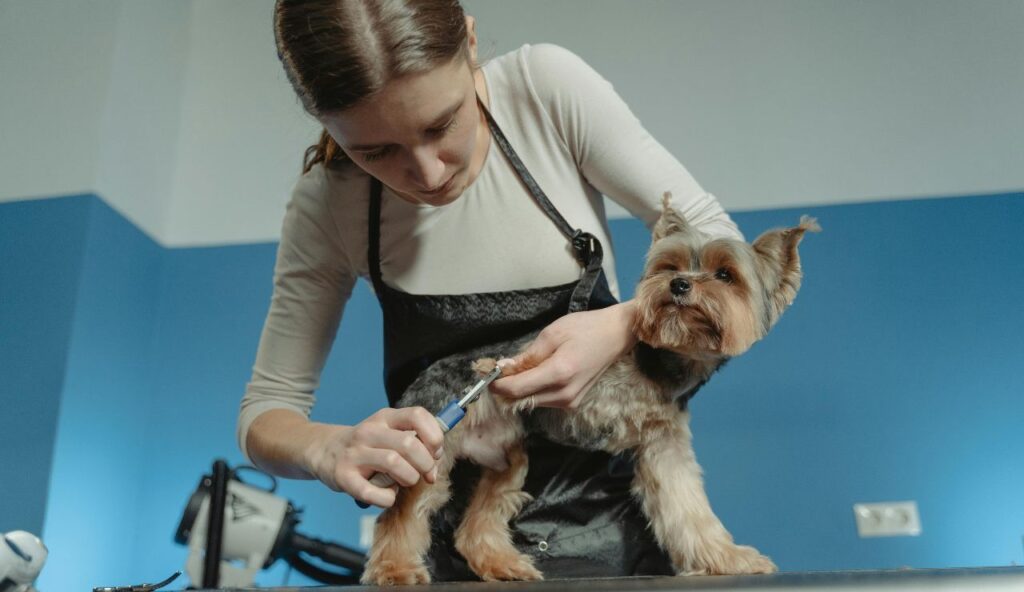
Many hotels advertise themselves as pet-friendly but quietly add a non-refundable pet cleaning fee to every stay. This charge is often justified as deep cleaning for allergens or fur, even if your pet is well-trained and causes no mess. The fee can range from a low flat rate to a high per-night charge, which can quickly inflate the total cost of your booking. Some properties place this information deep within the pet policy section rather than displaying it clearly during checkout. Always search the fine print for words like “non-refundable,” “sanitation,” or “pet maintenance” to avoid unexpected charges and billing surprises.
2. Size, Breed, or Weight Restrictions With Extra Fees

Hotels sometimes claim to be pet-friendly but impose hidden fees based on your pet’s size, weight, or breed. Large dogs, specific breeds, or multiple pets may trigger higher nightly charges or require a special deposit. These restrictions are not always clearly stated on booking platforms and may only appear on the hotel’s official website. Some properties even change pricing at check-in if your pet exceeds their stated limits. To avoid problems, confirm weight limits, breed rules, and any additional charges directly with the hotel before booking. This step prevents last-minute price increases and booking disputes.
3. Per-Night Pet Charges Instead of Flat Fees

A common red flag is hotels that charge pet fees per night rather than per stay. While a flat fee may be manageable for short trips, per-night charges can dramatically increase the cost of longer stays. A small nightly pet fee can double or triple the total expense over several nights without warning. Many booking platforms display only the base room rate and add pet charges later in the process. Carefully calculate the full cost of your stay before confirming your reservation to avoid surprises. If possible, compare hotels that charge a one-time pet fee rather than daily charges to control your travel budget better.
4. Refundable Deposits That Are Hard to Reclaim

Some hotels require a refundable pet deposit to cover potential damages, but the refund process is not always straightforward. Travelers report delays, unclear inspection policies, or partial refunds without explanation. Even if no damage occurs, deposits may take weeks to be returned, tying up your money after the trip. The terms for refund eligibility are often vague and may include cleaning standards that are difficult to verify. Before booking, ask how refunds are processed, how long it takes to receive your deposit, and under what conditions deductions are made to avoid financial frustration later.
5. Limited Access Areas With Penalty Charges
Pet-friendly hotels may restrict pets in certain areas, such as lobbies, dining areas, elevators, or outdoor amenities. Violating these rules can result in penalty charges that are not clearly explained at the time of booking. Some properties fine guests if pets are seen in restricted zones or left unattended in rooms. These rules may be listed only in internal policy documents or small print at check-in. To prevent surprise penalties, request a clear list of restricted areas and associated fines. Understanding where your pet is allowed helps you avoid accidental policy violations and unexpected fees.
6. Mandatory Crate or Supervision Fees
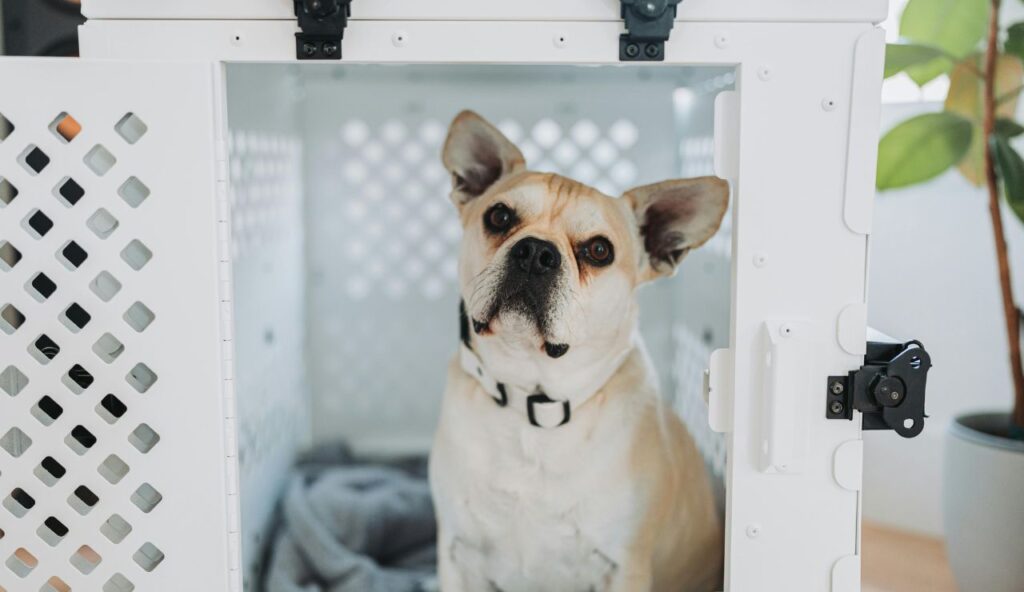
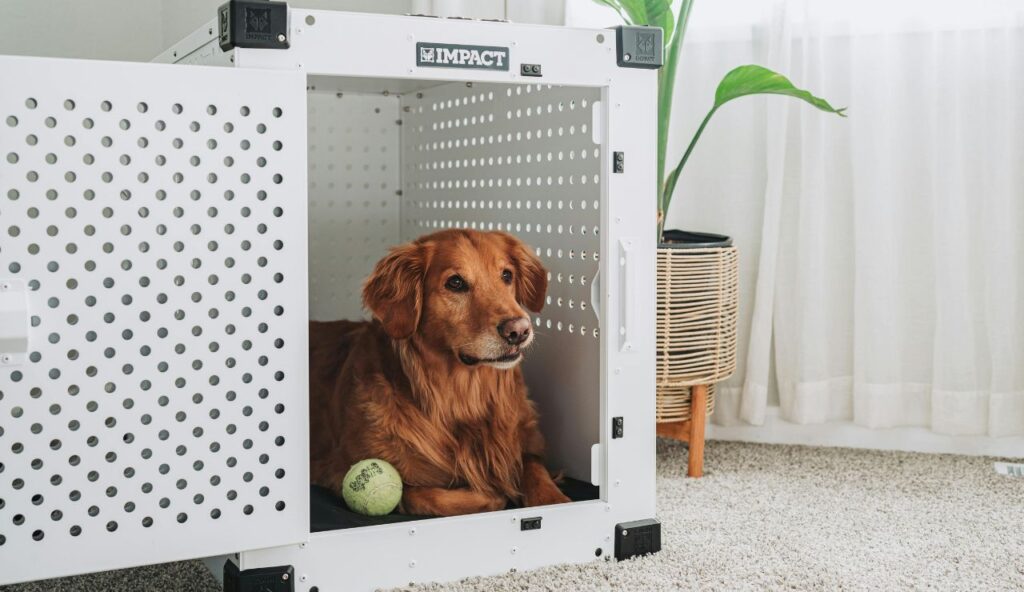
Certain hotels require pets to be crated when left alone in the room or charge supervision fees if staff need to enter for routine cleaning. These policies can create extra costs for travelers who plan to leave their pets unattended for brief periods during outings. If your pet is not crate-trained, you may face additional charges or policy violations. Some hotels also charge fees for arranging pet sitting services through their partners. Review the pet supervision rules carefully and confirm whether housekeeping services will incur extra fees when your pet is present to avoid unplanned expenses later.
7. Inconsistent Policies Between Booking Platforms and Hotel Sites

A major red flag is when pet policies differ between third-party booking platforms and the hotel’s official website. You may see “pet-friendly” listed on one platform while the hotel site mentions additional fees, stricter rules, or different limits. These inconsistencies can lead to disputes at check-in and unexpected charges. Always verify pet policies on the hotel’s official website or by contacting the property directly. Saving screenshots of listed policies can also help resolve conflicts. This simple step protects you from misleading listings and helps you understand the true cost of keeping your pet.