
The “Paws” Button: 6 Signs Your Dog Needs a Rest Day Before You Reach Your Destination
Traveling with your dog can be one of the most rewarding experiences, whether you’re heading out for a road trip, a long walk, or a full-day outdoor adventure. Many pet owners assume their dog will naturally keep up, but dogs often push past their limits to stay close to their humans. Fatigue, dehydration, and overstimulation can quietly build before any obvious warning appears. Ignoring early signs of exhaustion can lead to stress, injury, or long-term health issues, especially for puppies, senior dogs, and breeds with short snouts. Recognizing when your dog needs a rest day helps prevent harm and keeps trips enjoyable for both of you.
1. Slowing Down or Lagging Behind
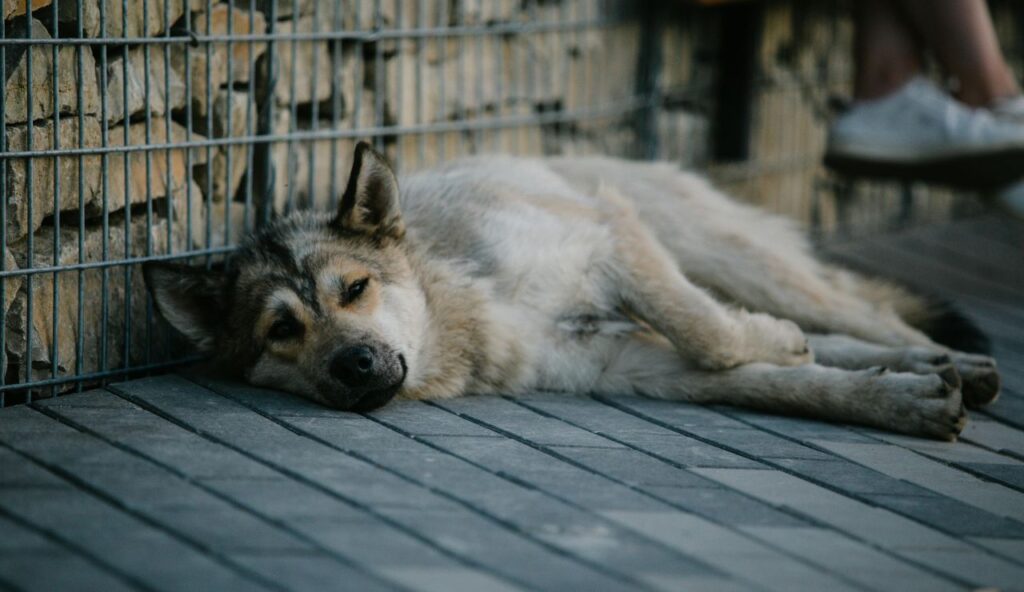
When a dog starts walking noticeably slower than usual or falls behind on routes they normally enjoy, it’s often a sign of physical fatigue rather than stubbornness. Dogs may hesitate to keep pace when their muscles are sore, their paws feel sensitive, or their energy reserves are running low. This behavior can also occur after long days of activity, on rough terrain, or after extended exposure to heat. Forcing a tired dog to continue can increase the risk of strains or joint stress. A rest day allows muscles to recover, reduces inflammation, and helps prevent minor discomfort from turning into injury.
2. Excessive Panting or Heavy Breathing
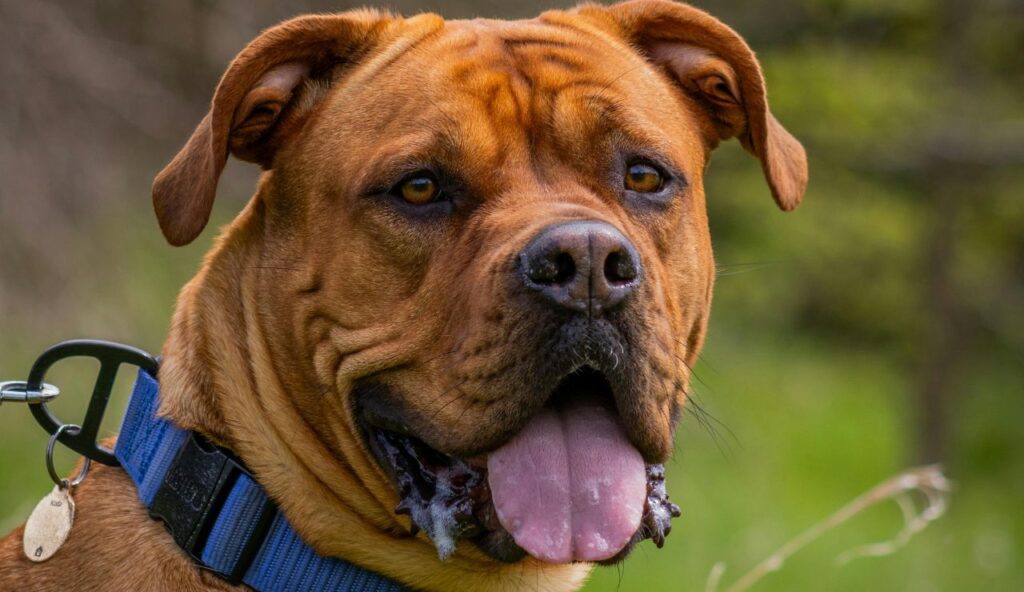
Panting is normal for dogs, but rapid, heavy breathing that doesn’t settle after short breaks can signal overheating or exhaustion. Dogs regulate body temperature primarily through panting, and prolonged exertion can overwhelm this system, especially in warm weather or humid conditions. Breeds with short noses, such as bulldogs and pugs, are particularly vulnerable. If your dog continues to pant heavily even in shade or after water breaks, their body may be struggling to cool down. A rest day gives their respiratory system time to recover and lowers the risk of heat-related complications during future outings.
3. Paw Sensitivity or Limping
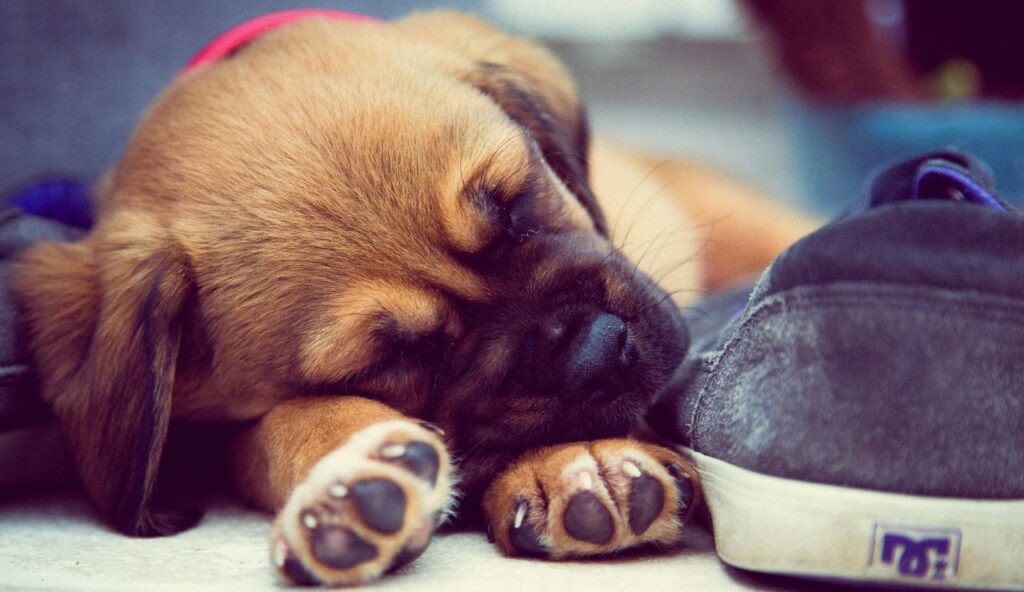
Dogs rely on their paws for every step, and rough surfaces, long distances, or hot pavement can cause soreness without obvious cuts, especially during long walks or hikes. If your dog starts lifting a paw, limping slightly, or resisting walking on certain surfaces, their paw pads may be tender or irritated. Small abrasions, minor strains, or muscle fatigue can worsen with continued movement. Even if the injury seems mild, continuing the journey can delay healing and lead to infection or more serious damage. Allowing a rest day gives paws time to heal and helps maintain long-term mobility and comfort.
4. Loss of Interest in Exploring
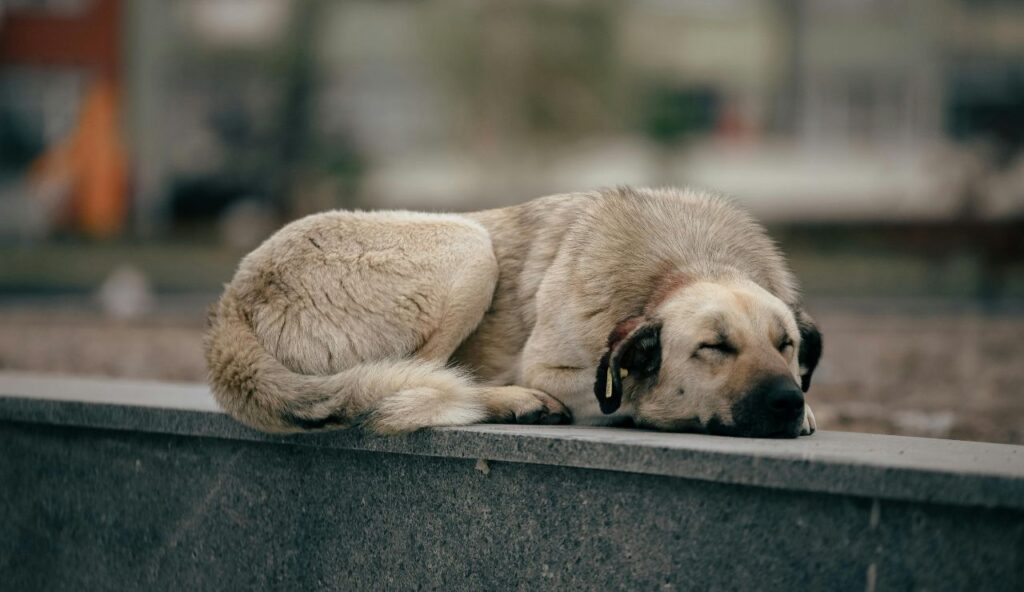
A curious dog who suddenly stops sniffing, ignores new surroundings, or shows little interest in engaging with their environment may be mentally and physically tired, especially during long travel days. Travel introduces constant stimulation: new smells, sounds, people, and movement. Overstimulation can be just as draining as physical exertion. When dogs become overwhelmed, they may disengage to cope with fatigue. This behavior change is often overlooked, but it’s a strong indicator that your dog needs downtime. A rest day with familiar routines helps reset their nervous system and prevents travel stress from building up.
5. Refusing Food, Treats, or Water
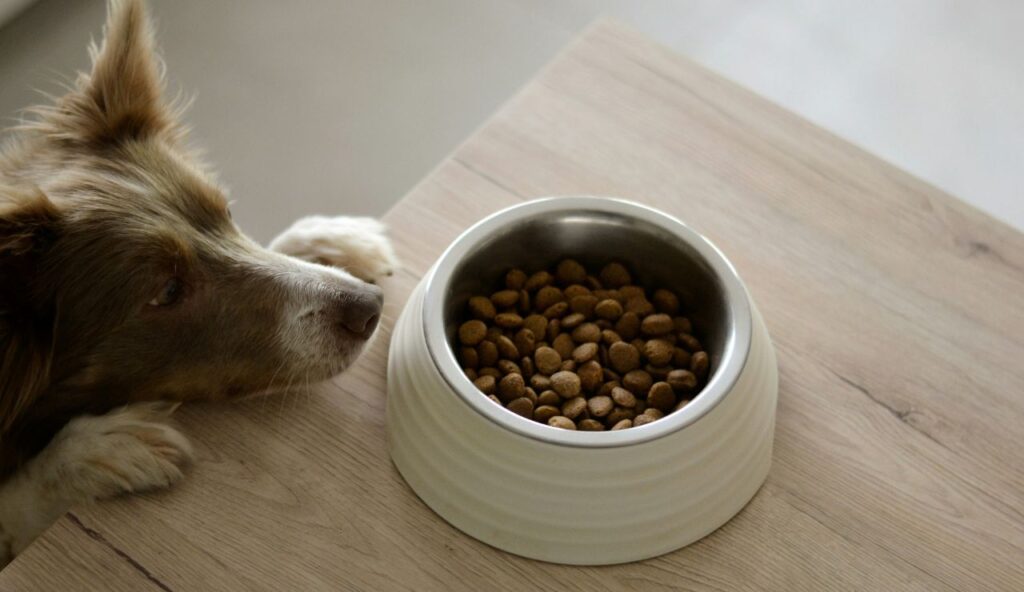
A tired or overstimulated dog may lose interest in food and water, even when they normally eat eagerly. Dehydration and low energy can reduce appetite, creating a cycle that worsens fatigue. Refusing water is especially concerning, as hydration is critical for temperature regulation and muscle function. Travel stress can also upset digestion, making dogs hesitant to eat. If your dog skips meals or avoids drinking during trips, it’s often a sign they need a break from stimulation and exertion. A rest day supports proper hydration, digestion, and energy restoration before continuing your journey.
6. Unusual Irritability or Withdrawal
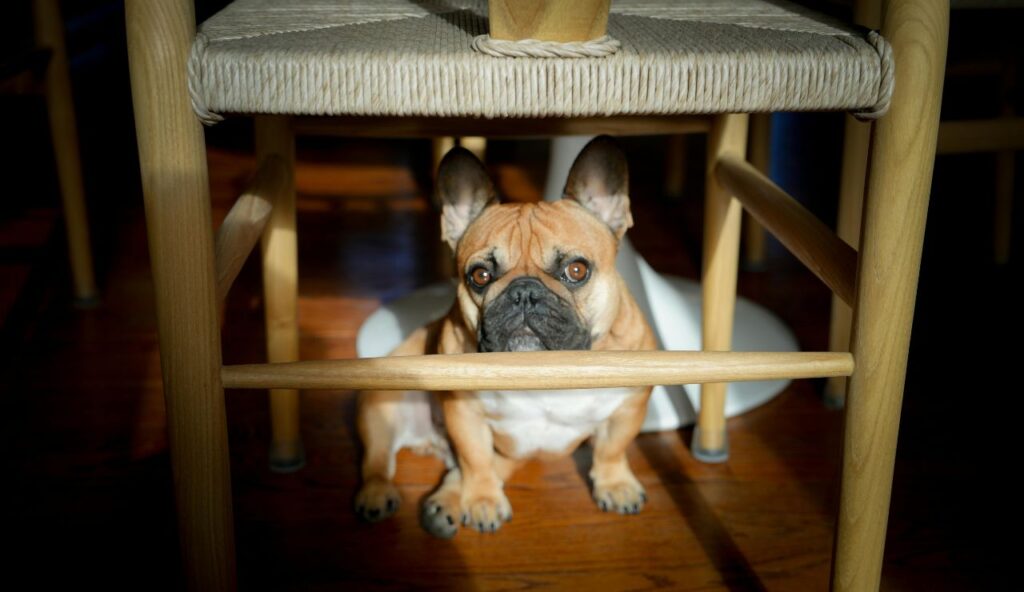
Dogs communicate discomfort through changes in behavior. A normally friendly dog who becomes irritable, snaps when touched, or withdraws from interaction may be experiencing pain or exhaustion, especially after long, demanding days. Fatigue can lower tolerance for handling, noise, and social interaction. This shift doesn’t mean your dog is misbehaving; it’s a signal that their body and mind need time to recover. Ignoring these signs can strain your bond and increase the risk of injury if the dog reacts defensively. Giving your dog a rest day helps restore emotional balance and ensures future outings remain positive and safe.