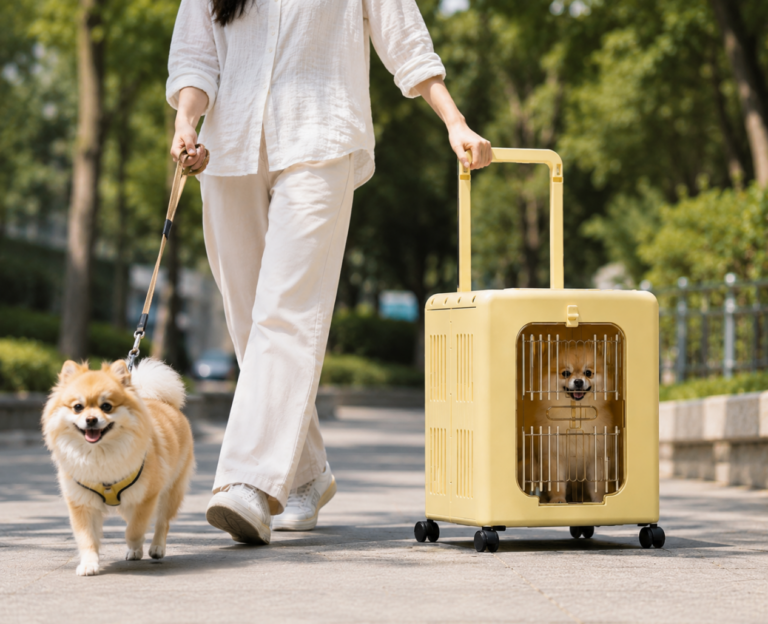

Paws and Passports: 7 Essential Rules for Flying with Your Dog in 2026.
Flying with your dog in 2026 requires more than booking a pet-friendly seat. Airlines are tightening policies, international rules are evolving, and health documentation is under closer review. For many travelers, pets are family, not cargo, so preparation matters. These seven essential rules will help you plan with confidence, reduce stress at the airport, and protect your dog’s safety from departure gate to arrival terminal. A little foresight can prevent costly disruptions. The right approach turns a complex process into a manageable one.
1. Check Airline Pet Policies Before You Book

Not all airlines treat pet travel the same way, and policies continue to change. Some allow small dogs in the cabin under strict weight limits, while others restrict certain breeds or limit the number of animals per flight. Fees, crate dimensions, and documentation requirements vary widely. Before purchasing a ticket, review the airline’s official website and confirm details directly if needed. Pet spots in the cabin are limited and often fill quickly. Booking early and verifying requirements prevents last-minute surprises that can derail your travel plans. Even connecting flights may follow different rules under partner carriers.
2. Secure Updated Health Certificates and Vaccinations

In 2026, health documentation is under closer scrutiny, especially for interstate and international travel. Most airlines require a veterinary health certificate issued within a specific time frame, often 10 days before departure. Rabies vaccination records remain essential, and some destinations require additional documentation or microchip verification. The Centers for Disease Control and Prevention periodically updates entry rules, so check official guidance before traveling. Schedule a vet visit well in advance to avoid delays, and carry both digital and printed copies of all paperwork.
3. Choose the Right Travel Crate and Train Early
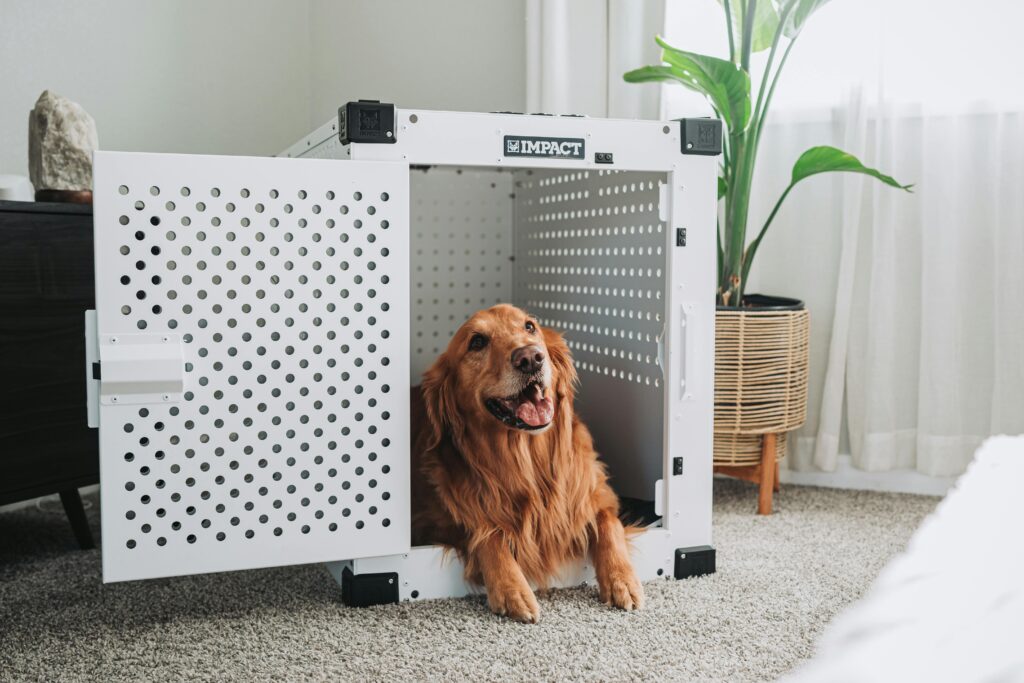
Your dog’s crate is not just a requirement; it is their safe space during the journey. Airlines specify approved crate types, including ventilation standards and secure latching systems. For in-cabin travel, soft-sided carriers must fit under the seat, while cargo crates require durable construction and proper labeling. Introduce the crate weeks before departure so your dog associates it with comfort rather than confinement. Short practice sessions at home can reduce anxiety on travel day and create a smoother airport experience. Positive reinforcement helps build calm associations. A relaxed dog travels more safely and comfortably.
4. Understand Breed and Temperature Restrictions
Some airlines maintain breed restrictions, particularly for brachycephalic dogs such as Bulldogs or Pugs, due to respiratory risk. The weather also plays a role. During extreme heat or cold, airlines may suspend cargo pet travel to protect animal welfare. These temperature embargoes are not uncommon in the summer months. If your dog must travel in cargo, review seasonal policies carefully and consider early morning or late evening flights when temperatures are milder. Planning around climate reduces avoidable health risks. Monitor weather forecasts in both departure and arrival cities. Flexibility with dates can improve overall safety.
5. Prepare for Security Screening and Airport Logistics
Airport security requires you to remove your dog from the carrier while the crate passes through X-ray screening. Your pet must remain leashed and firmly under control throughout the process. Plan to arrive early so you can locate pet relief areas, now more widely available across major U.S. airports. Offer small sips of water but avoid heavy meals several hours before departure to minimize discomfort. Staying calm and organized at the checkpoint helps your dog mirror that energy. Practicing brief separations at home can also ease anxiety in crowded terminals. Keeping commands simple and consistent will further reassure your dog during the process.
6. Pack a Dedicated Pet Travel Kit
A thoughtful pet kit can prevent minor issues from becoming major stressors. Include collapsible water bowls, a small supply of familiar food, waste bags, wipes, and any necessary medications. For longer flights, absorbent crate liners are essential. Comfort items such as a favorite toy or blanket can ease anxiety. Keep documentation easily accessible in your carry-on. Preparation may feel detailed, but having essentials within reach supports your dog’s well-being throughout the journey. Add a recent photo of your dog in case identification becomes necessary. Small precautions offer peace of mind.
7. Plan for Arrival and Recovery Time
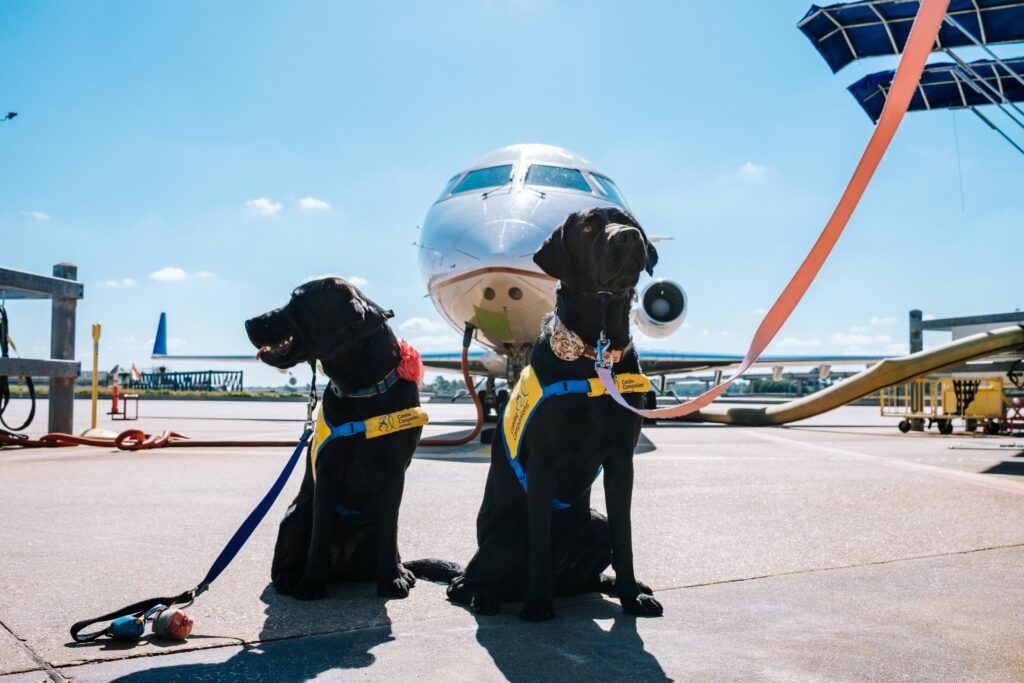
Landing is only part of the process. Dogs may feel disoriented after air travel, especially after long flights. Allow time for hydration, bathroom breaks, and quiet adjustment before introducing new environments. If traveling internationally, factor in customs inspections and possible document checks. Choose pet-friendly accommodations in advance and confirm their policies directly. Building recovery time into your itinerary ensures your dog transitions smoothly and safely into the next stage of your trip. Observe your dog’s behavior for signs of stress. Patience during the first 24 hours supports a healthy adjustment.