State Line Scares: 5 Legal Nightmares You Might Face When Driving Your Cat Across the Country
Driving cross-country with a cat can trigger hidden state rules that appear during stops, stays, or emergencies. Cat travel laws don’t work like one national checklist; they layer public-health rules, transport safety expectations, and local cruelty statutes. A missing rabies record, an “unrestrained pet” ticket, or leaving your cat in a warming car for a short errand can escalate into fines, delays, or denied lodging. Problems usually happen when plans change mid-route: a detour, a hotel swap, a closed rest stop, or a sudden vet visit. These five legal nightmares are the most common pitfalls drivers face.
1. Rabies documentation gaps can turn into a “proof” problem at the worst moment.
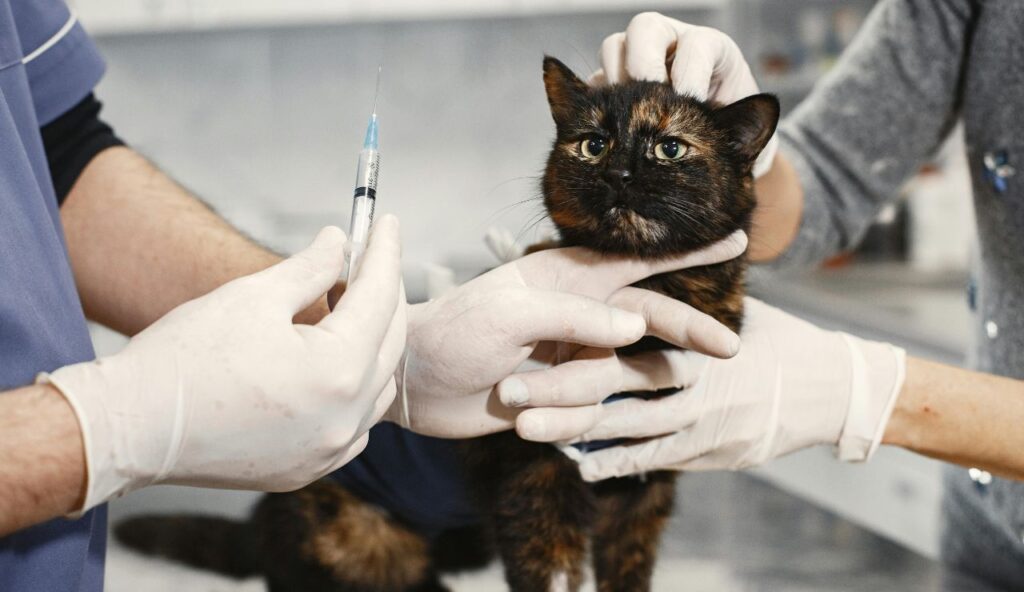
Rabies trouble usually isn’t the vaccine; it’s lacking valid proof when someone suddenly demands it. Campgrounds, agriculture checkpoints, hotels, and emergency clinics may request documentation on the spot. If you can’t show a rabies certificate, you might be denied entry, refused boarding, or delayed until verification is complete. The risk rises after any bite or scratch incident, because some jurisdictions treat unknown rabies status as a public-health issue and may order quarantine procedures. Carry a printed certificate, a phone photo backup, and your vet’s contact details. Keep dates readable, and store records in one folder.
2. A health certificate requirement can appear when you least expect it.
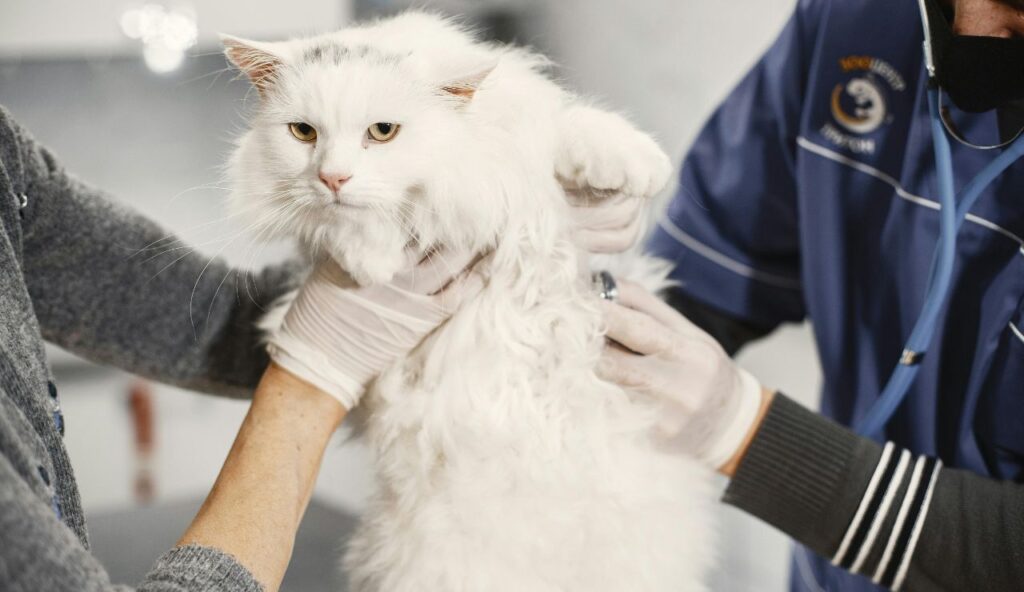
Some stops treat your road trip like formal transport and ask for a dated veterinary health certificate. While many drivers never need a Certificate of Veterinary Inspection (CVI), boarding facilities, long-stay rentals, events, or certain local policies may require one. The nightmare is timing: certificates can be valid only within a short window, and a delayed departure or extended detour can push you outside the accepted date range. If you might board your cat, use daycare, or stay in pet-regulated lodging, call ahead before you depart. Confirm accepted formats, dates, and whether digital copies are allowed.
3. “Unrestrained pet” and distraction laws can make your cat carrier a traffic issue.

A loose cat can convert a routine stop into a distracted-driving or unsafe-transport citation quickly, especially in heavy traffic or bad weather. Some states penalize driving when an animal interferes with the control of the vehicle, and local rules may require pets to be properly secured. If an officer sees a cat on your lap, a carrier sliding on the seat, or a crate positioned unsafely, the stop can escalate into citations or warnings that delay your trip. Reduce risk by using a sturdy carrier, securing it with a seatbelt, and placing it in the back seat. Keep supplies reachable without opening the carrier while driving.
4. Hot-car and animal-cruelty statutes can criminalize a “quick stop” in minutes.
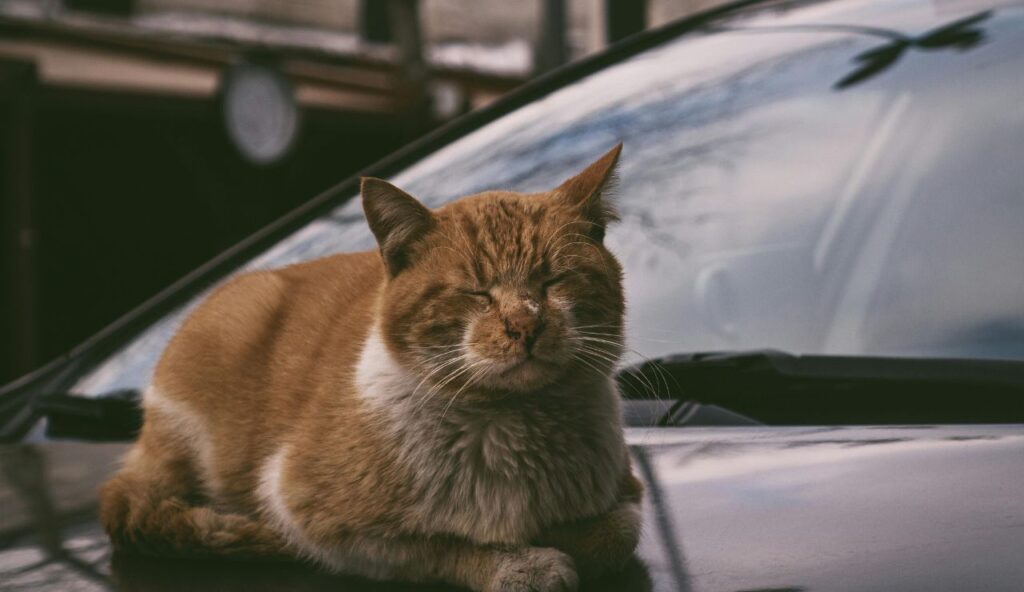
Leaving a cat in a parked car, even briefly, can trigger cruelty enforcement if conditions become unsafe. Many states and cities define “dangerous” by temperature, ventilation, shade, or time, and the threshold can be lower than people assume. A bystander may call police, an officer may assess the vehicle conditions, and you could return to a citation, an animal-control report, or even a forced welfare check. Cars warm rapidly, even on mild days, and cracked windows often don’t help enough. Plan fuel and restroom breaks so your cat stays supervised. If climate control must run, ensure it’s safe, stable, and monitored.
5. Quarantine and import rules can create a last-mile disaster in certain destinations.
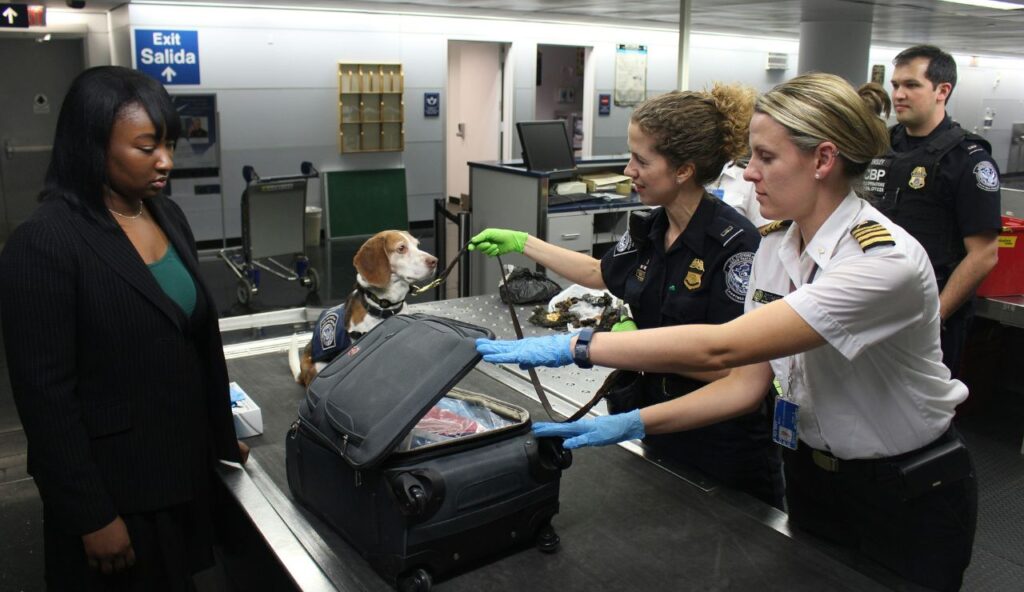
Some destinations and jurisdictions apply special entry rules that can derail your arrival after days on the road. Quarantine-style requirements aren’t only international; some U.S. locations and territories can require vaccinations, microchips, tests, or paperwork. The nightmare is learning at check-in that your documents don’t match local rules, or that requirements vary by stops. If your route includes special jurisdictions or island destinations, verify entry steps weeks ahead and keep certificates, lab results, and microchip numbers organized. Store printed copies and digital backups, and confirm the hotel accepts them.