
State Line Surprises: 6 Specific State Laws That Could Get Your Pet Quarantined
Crossing state lines with your pet may feel routine, but certain laws can trigger unexpected consequences. While most trips go smoothly, some state-specific rules around vaccination records, animal imports, and even species restrictions can lead to fines or quarantine. These policies exist to protect public health and wildlife, yet many travelers do not realize how detailed they can be. Here are six specific state laws that could catch pet owners off guard. A little research ahead of time can prevent costly delays. It also protects your pet from unnecessary stress during travel.
1. Hawaii’s Strict Rabies Quarantine Requirements
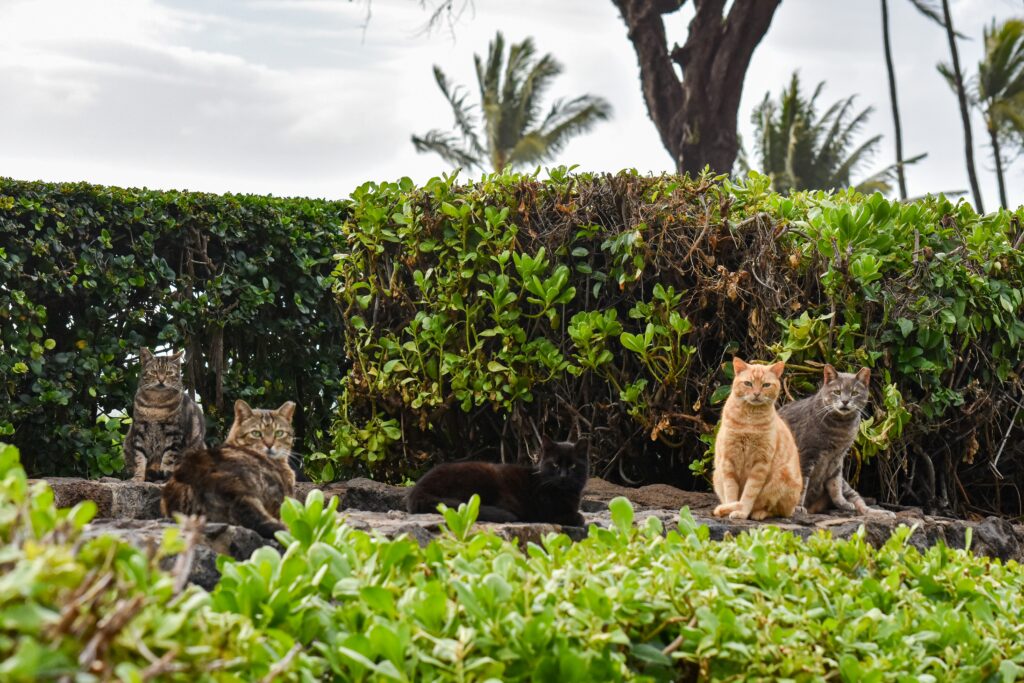
Hawaii maintains some of the most rigorous rabies prevention laws in the United States. Because the state is rabies-free, pets entering Hawaii must meet precise vaccination timelines, blood testing standards, and documentation requirements. Failure to comply can result in mandatory quarantine upon arrival. Even minor paperwork errors can delay release. Owners must plan months to qualify for shortened quarantine programs. This law surprises travelers who assume domestic flights follow the same rules as mainland travel. Microchip verification is also part of the process. Preparation is essential to avoid extended holding periods.
2. California’s Health Certificate Expectations for Certain Animals

California does not impose a universal quarantine for dogs and cats, but certain imported animals require health certificates or additional documentation. Exotic pets, livestock, and some bird species may face entry restrictions designed to prevent disease spread. If proper paperwork is missing, animals can be denied entry or temporarily held. Regulations vary depending on species and origin. Travelers relocating with uncommon pets often discover these requirements late in the process. Careful review of state agriculture guidelines helps prevent complications. Requirements may also change during disease outbreaks.
3. Alaska’s Animal Import Rules for Disease Control

Alaska enforces animal import regulations aimed at preventing the introduction of specific diseases. Dogs, cats, and ferrets must meet rabies vaccination standards before arrival. In remote communities, additional documentation may be required to protect local wildlife and livestock. While quarantine is uncommon for compliant travelers, incomplete records can cause delays. The rules are especially important for long-term relocations or extended stays. Climate and wildlife concerns influence many of these policies. Proof of vaccination is typically required upon entry. Local rules may vary between boroughs.
4. New York’s Wildlife and Exotic Pet Restrictions
Hector Falcon/unsplash
New York strictly regulates the ownership and transport of certain wildlife and exotic animals. Species such as specific reptiles, large cats, and primates may be prohibited or require special permits. Travelers entering the state with restricted animals risk confiscation or mandated holding periods. Even legal pets in one state may fall under tighter rules in New York. The focus is on public safety and environmental protection. Understanding species classification before travel is essential. Penalties can include fines or license revocation. Confirming legality before relocation prevents serious consequences.
5. Texas Livestock and Poultry Entry Controls
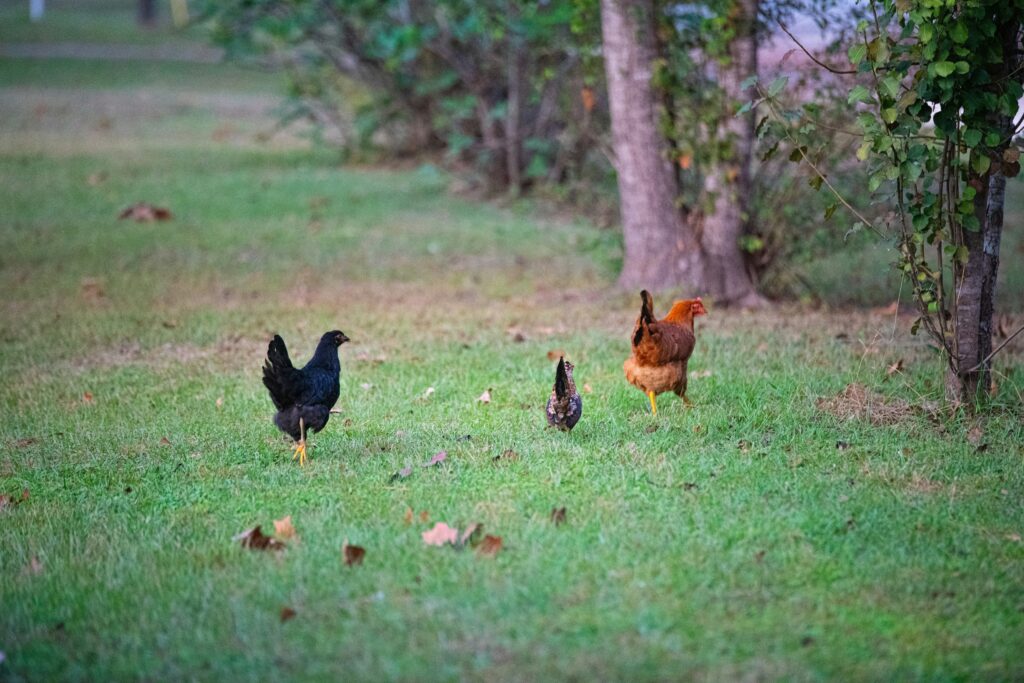
Texas enforces detailed entry requirements for livestock, poultry, and some farm-related animals. Health certificates, inspection documentation, and disease testing may be required at the border. While household pets typically travel freely, rural relocations or agricultural events can trigger additional scrutiny. Noncompliance may lead to temporary holding or transport denial. These regulations aim to protect the state’s significant agricultural industry. Pet owners who keep backyard animals should verify rules before crossing state lines. Documentation is often required at events or fairs.
6. Florida’s Regulations on Non-Native Species
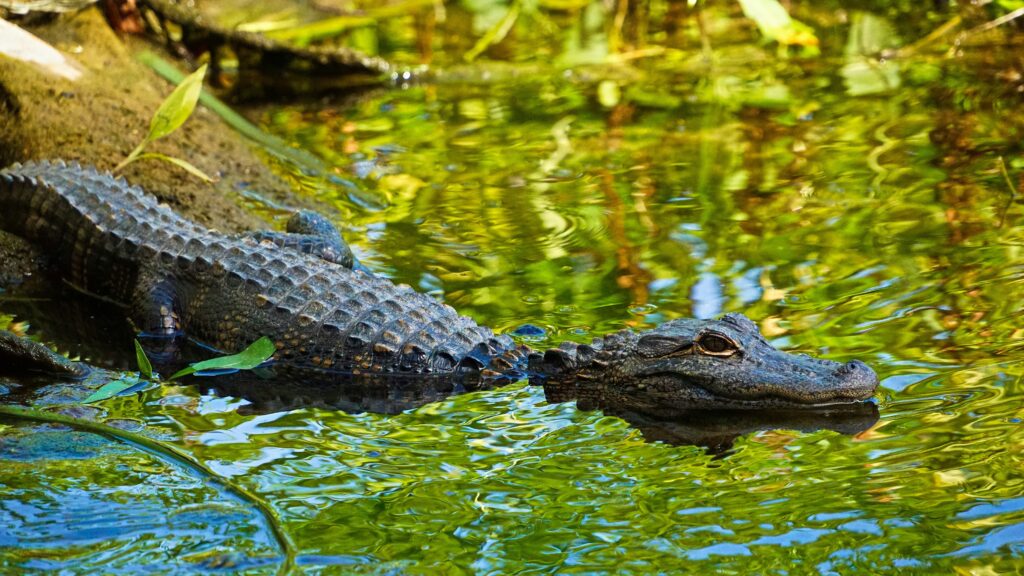
Florida maintains strict oversight of non-native and invasive species. Certain reptiles, amphibians, and exotic mammals are regulated or restricted due to environmental concerns. Transporting prohibited species into the state can result in confiscation or quarantine. The rules are regularly updated to address ecological risks. Travelers moving from other states with uncommon pets should confirm whether permits are required. Awareness helps prevent unintended violations and stressful outcomes. Some species require pre-approval before arrival. Failing to comply may result in permanent surrender of the animal.