

7 Generational Differences in Pet Companionship: How Boomers and Gen Z Raise Pets Differently
Pet companionship has changed dramatically over the decades. While Baby Boomers often viewed pets as loyal household animals, Gen Z is more likely to see them as emotional partners, lifestyle companions, and even “fur babies.” Neither approach is right or wrong, but the differences are noticeable in everything from spending habits to training styles. These seven generational shifts reveal how pet parenting has evolved, and what it says about how we live today. The contrast reflects broader cultural and economic changes shaping modern households.
1. Pets as Family Members vs. Pets as Household Animals

For many Boomers, pets were deeply loved but still viewed as animals with defined boundaries. Dogs might sleep outside or in a separate room, and feeding routines were practical. Gen Z, by contrast, often integrates pets fully into daily life, sharing couches, beds, and even workspaces. The shift reflects broader cultural changes in how companionship is valued. Younger owners tend to describe pets as children or emotional anchors, not just animals. This emotional closeness influences everything from daily routines to long-term financial decisions. It also shapes how pets are included in celebrations and travel plans.
2. Spending Priorities and Premium Products
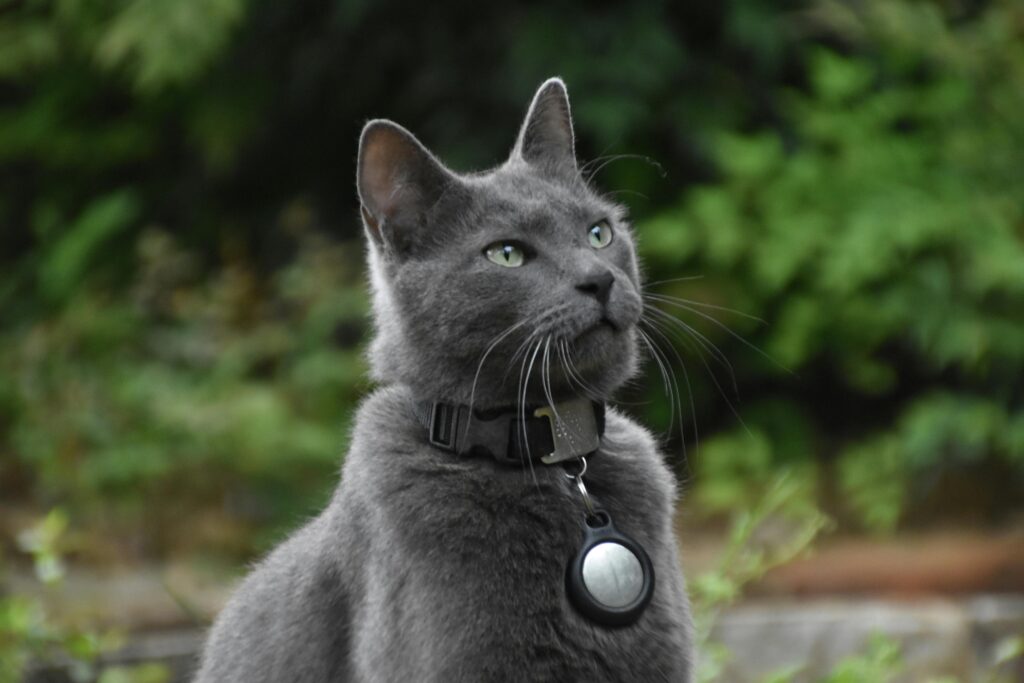
Boomers typically focused on core essentials such as food, routine vet care, and basic grooming. Gen Z is more likely to invest in specialty diets, enrichment toys, custom collars, and even pet tech like GPS trackers. Social media and increased awareness of animal health have reshaped expectations. Younger pet owners often prioritize preventive wellness and personalized products. While both generations care about their animals, Gen Z is generally more willing to allocate discretionary income toward comfort and lifestyle upgrades. Subscription boxes and wearable tech are increasingly common choices.
3. Training Styles and Discipline
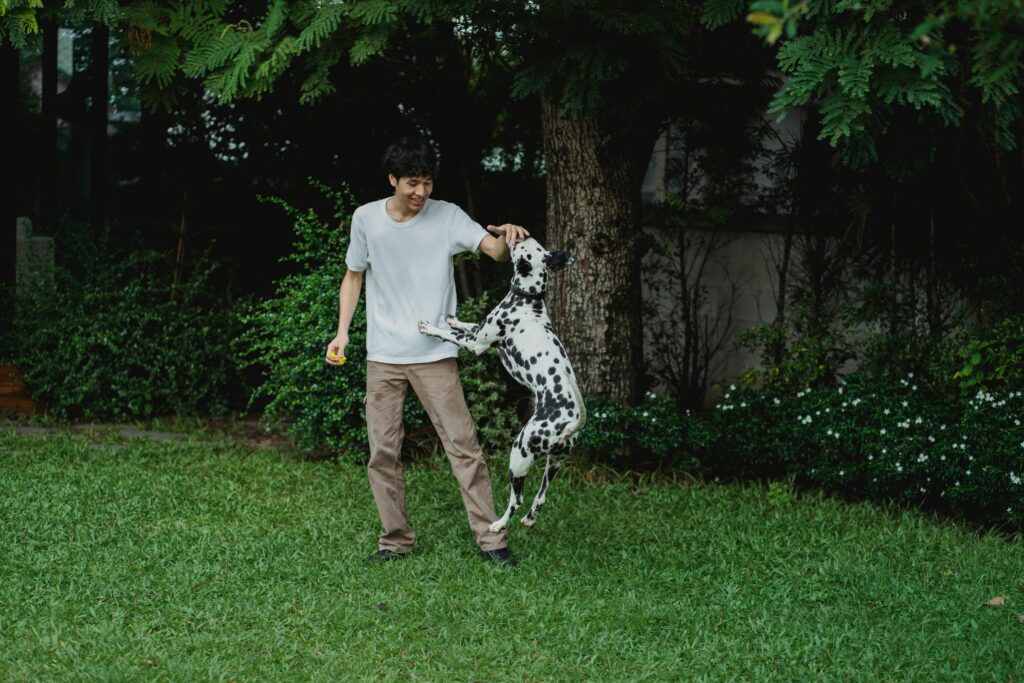
Traditional training methods were more common among Boomers, often emphasizing obedience and clear hierarchy. Commands were firm, and consistency was the main goal. Gen Z tends to favor positive reinforcement, reward-based systems, and research-backed behavioral methods. There is greater awareness of animal psychology today, and many younger owners actively seek training classes or online education. The modern approach focuses less on dominance and more on communication. This reflects a broader shift toward empathy-driven parenting styles. It also encourages stronger trust between pets and owners.
4. Housing Choices and Pet Consideration

Boomers were more likely to choose housing first and adopt pets to that environment. Today, many Gen Z renters and homeowners actively filter housing options based on pet policies and amenities. Pet-friendly apartments, dog parks, and walkable neighborhoods are often high priorities. Younger generations also research local pet laws and access to emergency clinics before relocating. For them, pets are part of long-term planning. This represents a clear change in how lifestyle decisions are made. Some even prioritize pet-friendly travel access when choosing cities. Moving decisions increasingly factor in the daily pet quality of life.
5. Social Media and Public Identity
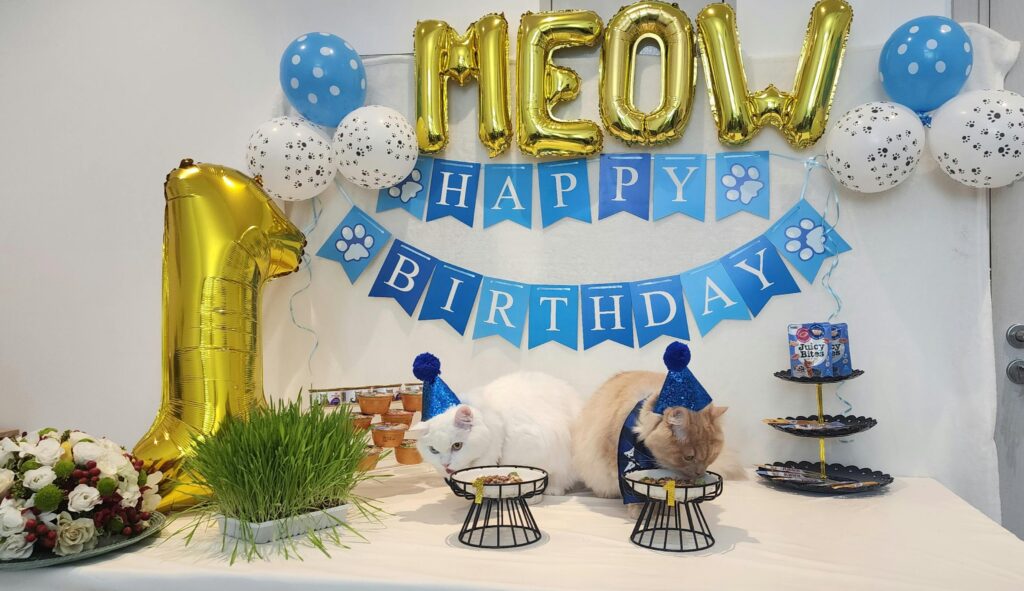
Boomers rarely centered their identity around pet ownership in public spaces. Gen Z, however, frequently shares pet milestones, birthdays, and daily routines online. Pets often have dedicated social media accounts and curated content. This visibility has created stronger online pet communities and faster information sharing about health and care. It has also increased awareness about adoption and rescue work. The relationship is more public, more documented, and often more expressive. Online support groups also provide advice during health or behavior challenges. Digital sharing has reshaped how companionship is celebrated.
6. Adoption and Ethical Awareness
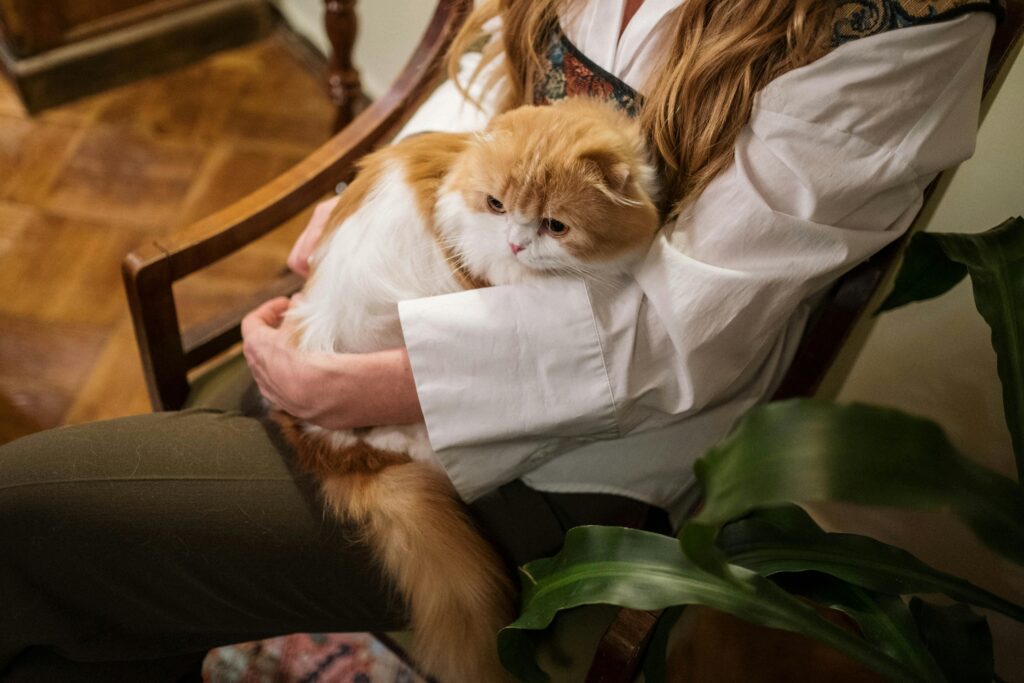
Adoption was always valued, but Gen Z tends to approach it with heightened ethical awareness. Younger pet owners often research breeders, rescue organizations, and animal welfare practices before committing. Conversations about sustainability, overbreeding, and ethical sourcing are more common. Boomers were more likely to acquire pets through local connections or classified listings. Today’s process often involves online vetting and social advocacy. The intention remains companionship, but the research phase is more detailed. Transparency and accountability now play a larger role in decisions.
7. Work-Life Integration

Boomers generally structured pet care around traditional work schedules. Pets adapted to nine-to-five routines and time alone at home. Gen Z, influenced by remote work and flexible careers, often integrates pets into daily life more fluidly. Dogs may join video calls or co-working sessions, and midday walks are more common. This flexibility allows for closer daily interaction. It also reshapes expectations about separation, routine, and bonding time. For many younger owners, pets are now part of the daily workflow, not separate from it. The line between home life and pet care continues to blur.


