

7 Beautiful Destinations Seasoned Travellers Say Aren’t the Same Anymore
Seasoned travelers often find that the hardest part of revisiting a favorite haunt is realizing the atmosphere has shifted. Many iconic destinations have undergone significant changes under the pressure of overtourism, surging costs, and social media “must-do” trends that have fundamentally altered the experience. While these locales remain visually stunning, repeat visitors often find that the original charm and authenticity have been diluted. Navigating this new reality requires adjusting expectations and traveling more intentionally than before.
1. Venice, Italy
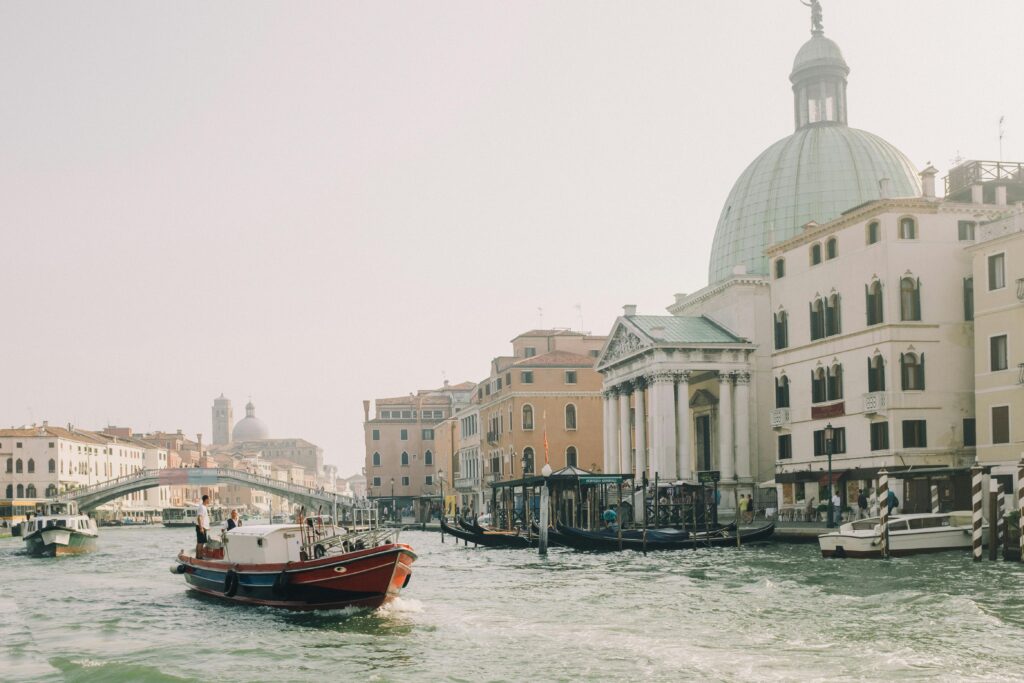
Venice remains one of the most visually stunning cities on Earth, but for many, it now feels more like a crowded theme park than a living community. By mid-morning, day-trippers flood the narrow calli, turning simple walks into a slow-motion crush. Prices for meals, gondola rides, and even basics have surged, while souvenir shops increasingly replace the neighborhood spots that once gave the city its soul. While the early mornings still hold their legendary magic, that window of peace is shrinking. To find the “real” Venice, staying overnight is essential—or better yet, escaping to the quieter, more authentic rhythms of islands like Burano.
2. Santorini, Greece
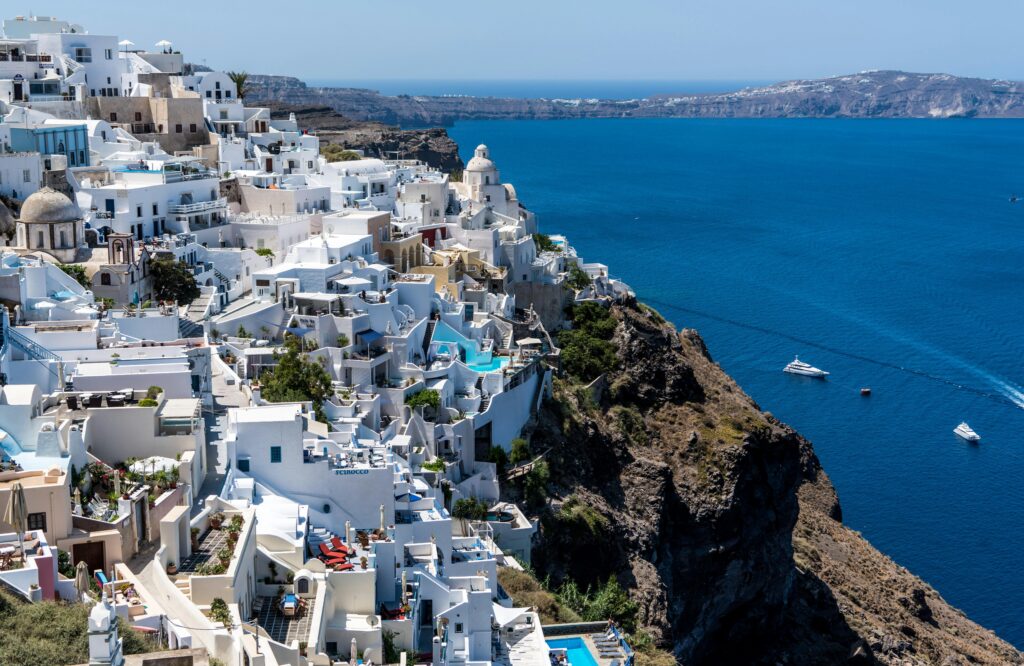
Santorini still delivers its iconic whitewashed architecture and legendary sunsets, but many travelers find the island far more commercialized than in years past. Popular viewpoints now require arriving hours in advance, and the main towns often swell with heavy cruise ship traffic. Beyond the crowds, the rising costs of accommodation and dining have shifted the island’s vibe from a relaxed getaway to a high-end luxury splurge. While the scenery remains breathtaking, the pace is undeniably faster and more curated. Consequently, many are seeking quieter Greek escapes on neighboring islands or opting for stays in Santorini’s lesser-known villages to recapture that elusive sense of calm.
3. Bali, Indonesia
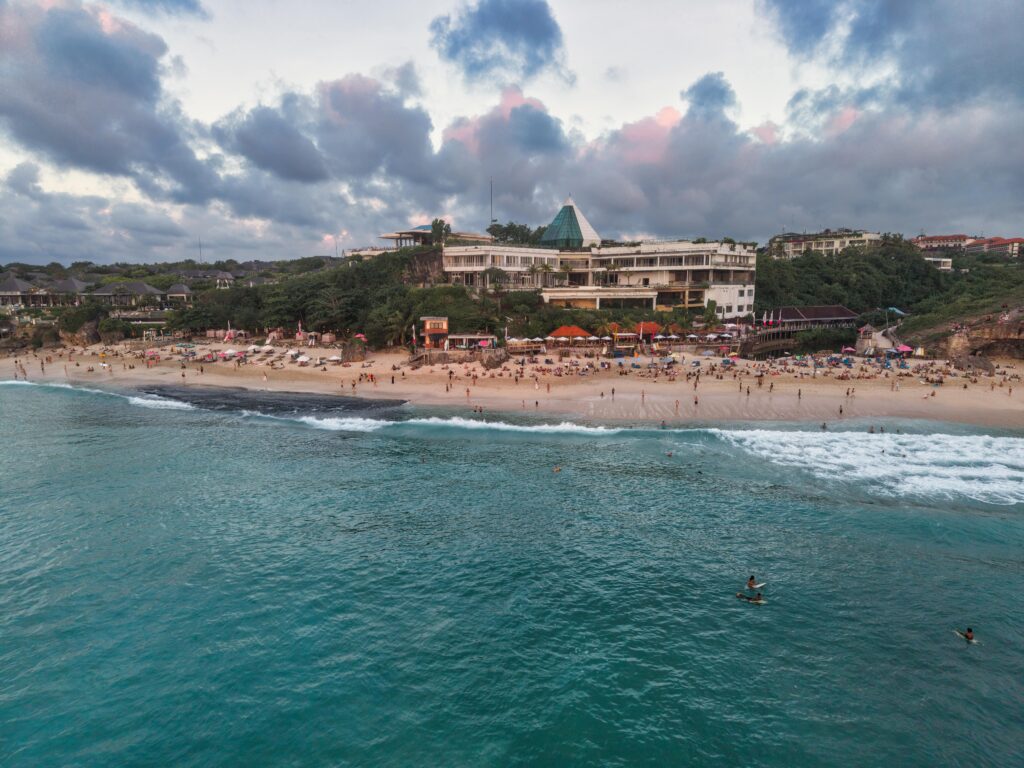
Bali continues to attract travelers with its iconic beaches, temples, and wellness culture, but many seasoned visitors feel the island’s soul is shifting. In popular hubs, heavy development and dense traffic can turn short drives into long delays. Many also note that a pervasive influencer culture has altered the vibe, with “Instagrammable” cafes and photo spots occasionally overshadowing authentic local experiences.
While Bali’s beauty remains undeniable, finding tranquility now requires more intention. To rediscover a slower pace, many travelers are bypassing the main strips in favor of smaller villages and scheduling visits outside of peak season to avoid the crowds.
4. Machu Picchu, Peru
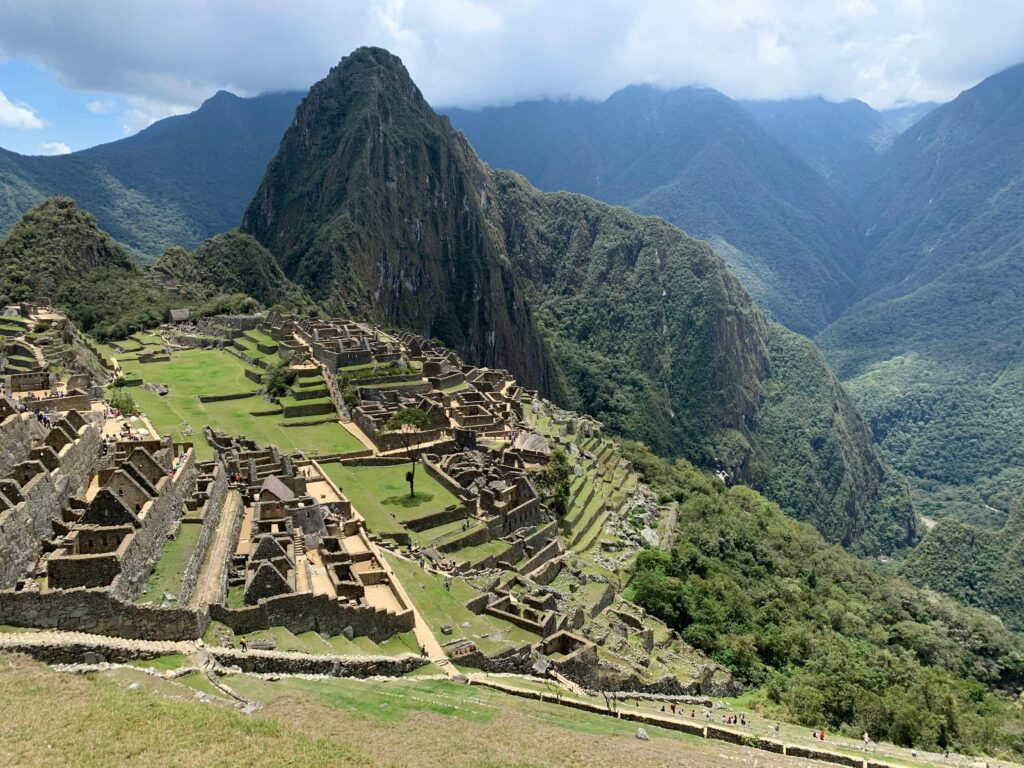
Machu Picchu remains breathtaking, but frequent travelers often say the overall experience has changed due to stricter entry systems and heavier crowd management. Timed tickets and fixed routes help protect the site, yet some visitors feel it reduces the sense of discovery. The surrounding travel infrastructure has also grown, making the journey feel more organized than it once was. Many still say it’s worth it, but they recommend planning carefully to avoid peak hours and rushed visits. Spending an extra day in the Sacred Valley can make the trip feel more balanced. Visiting in the shoulder season can also improve the atmosphere.
5. Dubrovnik, Croatia
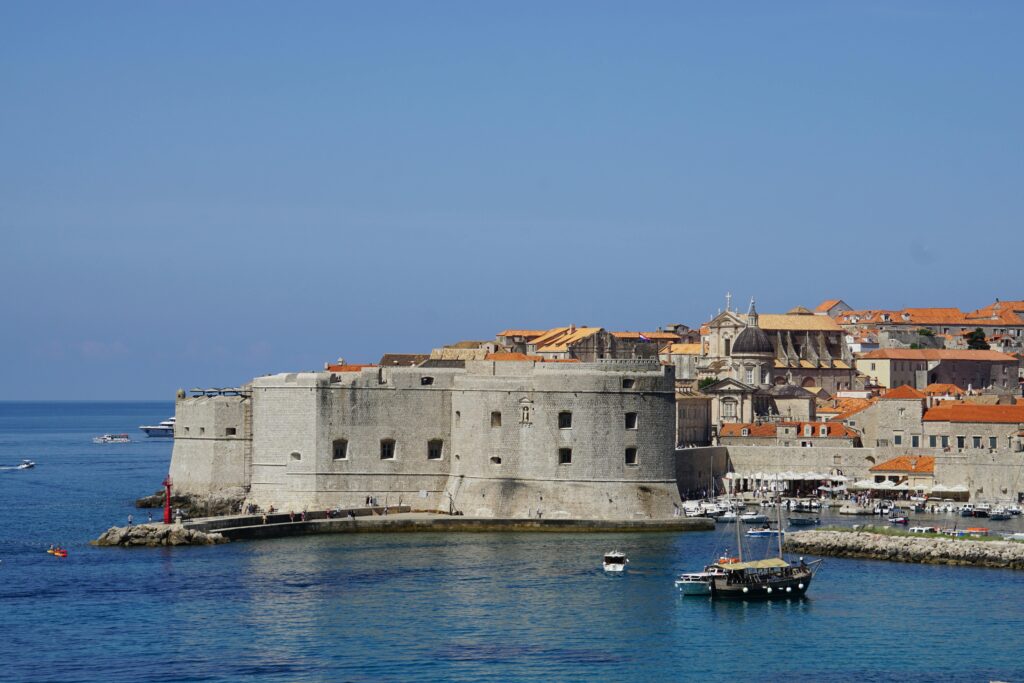
Dubrovnik’s old town is undeniably beautiful, but many repeat visitors say it now feels far busier and more expensive than it used to. Cruise ship arrivals can dramatically increase crowds, making the historic streets feel congested. Some travelers also mention that the city’s popularity from film and TV tourism changed the atmosphere, with more souvenir stalls and tour groups than local life. It can still be a wonderful visit, especially in the shoulder season, but the quiet charm is harder to find in summer. Evening walks after day-trippers leave can feel closer to the Dubrovnik people remember.
6. Reykjavik, Iceland

Reykjavik is still a great base for Iceland’s natural wonders, but seasoned travelers often say it has become noticeably pricier and more tourist-oriented. Hotel rates, dining, and tours can feel steep, even compared to other major cities. Some visitors also feel the downtown area has shifted toward souvenir stores and short-stay tourism, making it less distinctive than it once was. Iceland’s landscapes remain unmatched, but travelers increasingly recommend using Reykjavik as a brief stop rather than the main highlight. Renting a car and spending more time in smaller towns can feel more rewarding.
7. Kyoto, Japan
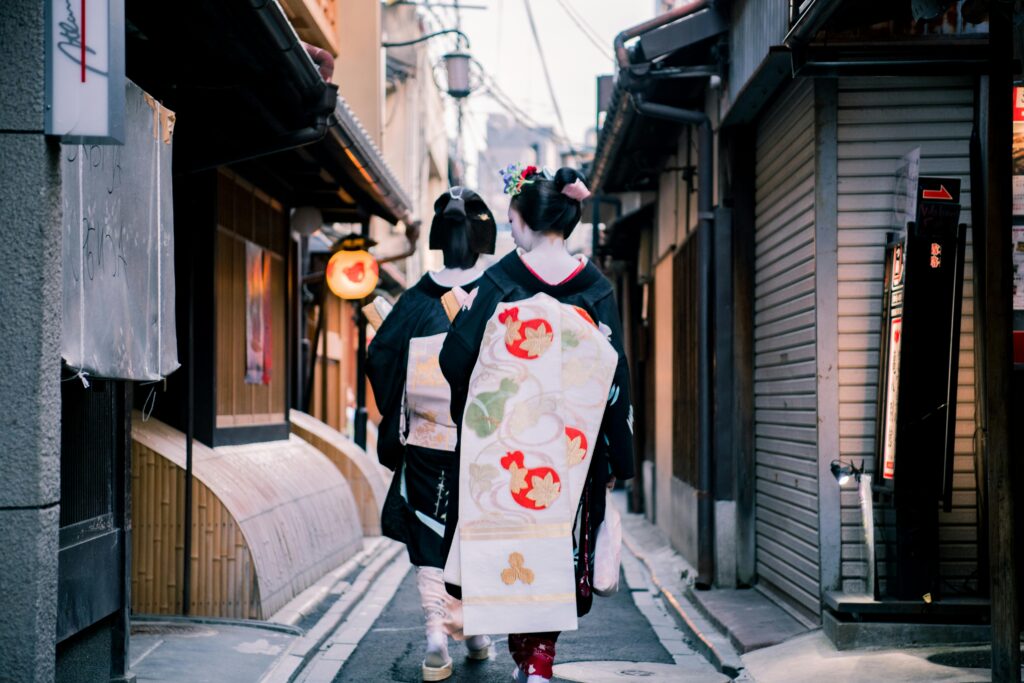
Kyoto remains one of Japan’s most culturally rich cities, but many experienced travelers say it has changed dramatically due to crowd levels in key districts. Famous streets and temple areas can become packed, especially during the cherry blossom and fall foliage seasons. Some visitors also mention that the rise of “photo-first” tourism has made certain neighborhoods feel less peaceful. Kyoto still rewards slower exploration, but repeat travelers often suggest focusing on lesser-known temples, early mornings, and quieter outskirts for the experience they remember. Areas like Ohara and Kurama can still feel calm, even during busy months.