
Ketut Subiyanto/pexels

5 Movies where Pets stole the Spotlight: Unforgettable Characters you need to Watch

Sometimes you finish a movie and realize the character you cannot stop thinking about was not human at all. It was the dog who waited. The cat who judged quietly from the corner. The unlikely animal who carried the emotional weight of the entire story.

Pets in film often do more than support the plot. They anchor it. They soften it. They intensify it. And in some cases, they completely steal it. These five movies prove that unforgettable storytelling sometimes comes on four legs.

Hachi: A Dog’s Tale (2009)

Few animal characters have left audiences as quietly shaken as Hachi. Based on a true story, the film follows an Akita who continues to wait at a train station long after his daily routine has changed forever.

What makes Hachi unforgettable is restraint. There are no elaborate tricks or flashy moments. The power lies in repetition, in showing up, in loyalty expressed through stillness. Every time Hachi returns to the station, the story deepens. By the end, the dog is not part of the film’s emotion. He is the emotion. The human characters feel secondary because the heart of the film belongs entirely to him.

Marley & Me (2008)

Andres Ayrton/pexels

Marley is not perfectly behaved. He chews, crashes through rooms, and tests every limit. That chaos is exactly why he feels real. In Marley & Me, the Labrador Retriever does not sit quietly in the background. He drives decisions, shifts careers, shapes family dynamics, and grows alongside the people who love him.

The film succeeds because it embraces imperfection. Marley’s presence mirrors the unpredictable rhythm of family life. He is funny, frustrating, exhausting, and deeply loved. By the final scenes, it becomes clear that the story is less about the couple and more about the dog who quietly shaped every chapter of their lives.

Babe (1995)

At first glance, Babe feels like a charming family film. But beneath the simplicity lies a surprisingly profound story about identity and belonging. Babe, a pig raised by sheepdogs, refuses to accept the limits others place on him.

The film treats its animal characters with seriousness and emotional nuance. Babe is not a novelty. He is determined, observant, and thoughtful. His journey carries the narrative forward with sincerity. What begins as a whimsical premise evolves into something universal. By the final competition scene, audiences are not watching a farm animal. They are watching courage unfold.

Garfield: The Movie (2004)
大 董/pexels

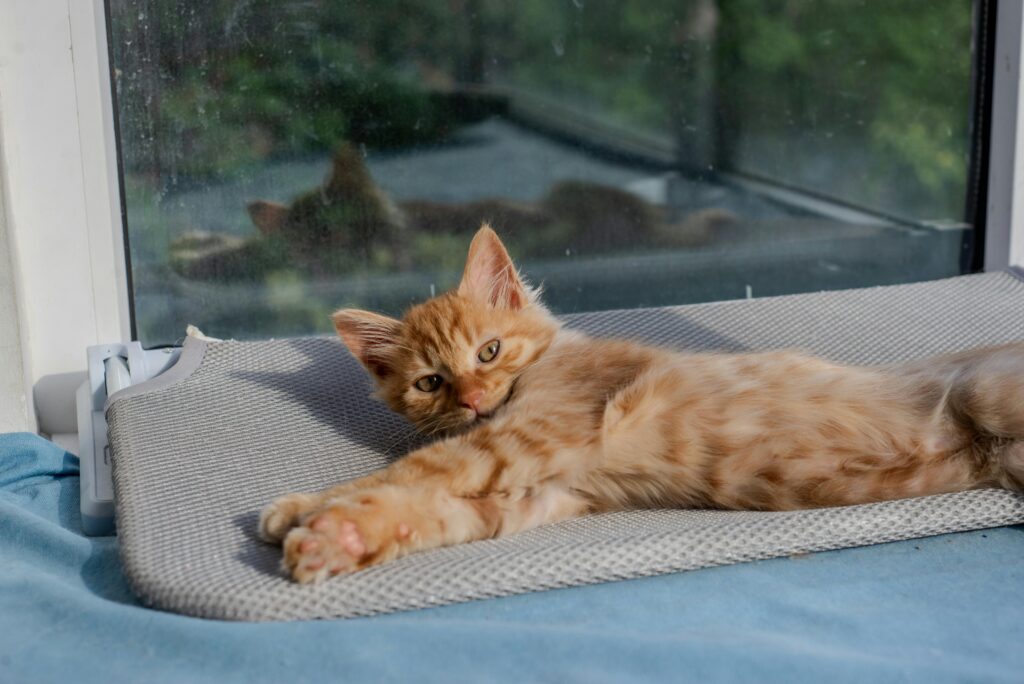
Garfield’s appeal has always been his unapologetic personality. In the film adaptation, that sarcasm and self-indulgence take center stage. The human characters exist, but the spotlight rarely leaves the orange cat.

What makes Garfield memorable is timing. His commentary transforms ordinary domestic moments into sharp comedy. Even viewers who do not own cats recognize the attitude. Beneath the humor, there is a subtle warmth. Garfield may pretend indifference, but the emotional connection is unmistakable. He controls the pace, the tone, and the energy of every scene he enters.

John Wick (2014)

The dog in John Wick appears briefly, yet its presence reshapes the entire film. The puppy is not just a companion. It represents grief, healing, and a fragile attempt at starting over.

That emotional weight lingers long after the screen time ends. The audience understands what the dog means to the protagonist, which makes the loss feel personal rather than symbolic. In a film known for action and intensity, it is the quiet bond between man and pet that anchors everything. Sometimes a short appearance leaves the deepest mark.

When pets steal the spotlight, it is rarely because of spectacle. It is because they represent something pure. Loyalty. Vulnerability. Chaos that feels like love.

These films remind us why animal characters resonate so deeply. They do not just share scenes with humans. They often hold the emotional center, long after the credits roll.

Similar Posts

  • 5 ways Vacation Routines Stress your Pet: Psychology Science most owners Miss

    Vacations are exciting for humans, but for pets, they can feel confusing, stressful, and even scary. Many animals rely on routine to feel safe, so small travel changes can trigger anxiety in ways owners do not expect. The science is simple: pets read patterns, smells, and body language, not calendars. These five overlooked vacation habits can raise stress fast, even in calm pets, and knowing them helps you prevent problems before they start. A few small adjustments can make travel days easier for everyone.
    1. Packing Early Signals “Something Is Wrong” to Your Pet
    When you start pulling out suitcases, your pet often notices before you do. Many animals link luggage with separation, which can trigger anticipatory anxiety. Dogs and cats are experts at pattern recognition, so even quiet packing can create stress because it predicts a major change. Some pets respond by pacing, whining, hiding, or becoming clingy. Others may stop eating or start acting unusually alert. Psychology research on animal behavior shows that uncertainty is often more stressful than the event itself. Packing in smaller steps, keeping normal routines, and adding calm activities can reduce the buildup of anxiety.
    2. Your Mood and Body Language Change More Than You Realize
    Vacation prep usually comes with stress, rushing, and distraction. Pets notice that shift immediately because they rely heavily on your tone, facial expression, and energy. Even if you are excited, the fast movement, shorter patience, and unusual household noise can signal danger to an animal’s brain. This is especially true for anxious dogs and sensitive cats. Behavioral science shows that animals can mirror human stress through increased vigilance and restlessness. A pet may start shadowing you, refusing naps, or becoming reactive. Slowing down, using a calm voice, and keeping playtime normal can make a big difference.
    3. Skipped Walks, Late Meals, and Broken Timing Disrupt Safety Signals
    Many owners think pets will adjust easily to vacation timing changes, but routine is a major source of security for most animals. Meals, walks, and bedtime create predictable anchors that tell a pet their world is stable. When those anchors shift, stress rises, especially in dogs who depend on consistent potty breaks and activity. Cats can also become unsettled when feeding schedules change, which may lead to hiding, vocalizing, or litter box issues. Studies on animal stress show that predictable patterns lower cortisol over time. Even on travel days, keeping timing as close as possible helps pets stay calmer.
    4. New Smells and Spaces Can Trigger Overload, Not Curiosity
    People often assume pets will be excited by a new place, but unfamiliar environments can overwhelm them. Animals process the world through scent and sound, so hotels, rentals, or relatives’ homes can feel like sensory overload. New cleaning products, unfamiliar pets, strange floors, and different noises can raise stress quickly. Dogs may become hyper-alert, bark more, or refuse to settle. Cats may hide for hours or stop eating. Animal behavior research shows that novelty is not always enriching, especially when the pet has no control. Bringing familiar bedding, toys, and maintaining a quiet corner helps reduce that overload.
    5. Handing Them Off to a Sitter Without a Transition Creates Separation Shock
    Even if you trust your sitter, your pet may not. A sudden handoff can feel like abandonment to an animal that does not understand travel plans. Dogs may respond with barking, destructive behavior, or loss of appetite. Cats may become withdrawn, refuse interaction, or show stress through litter changes. Psychology studies on attachment show that animals form strong bonds and feel distress when those bonds are disrupted without a predictable transition. A short meet-and-greet, a trial visit, or a practice overnight can reduce stress dramatically. Familiar scents, written routines, and consistent feeding also help the sitter maintain stability.