
4 Things You Learn When You Travel With Your Dog
There is a particular kind of chaos that comes with deciding to bring your dog on a trip for the first time. You pack the leash, the food, the favorite toy, and roughly three times the amount of treats you think you will need, and then you hit the road with the best of intentions. What follows is an education that no travel guide could fully prepare you for, because traveling with a dog does not just change the logistics of a trip. It changes the entire experience.
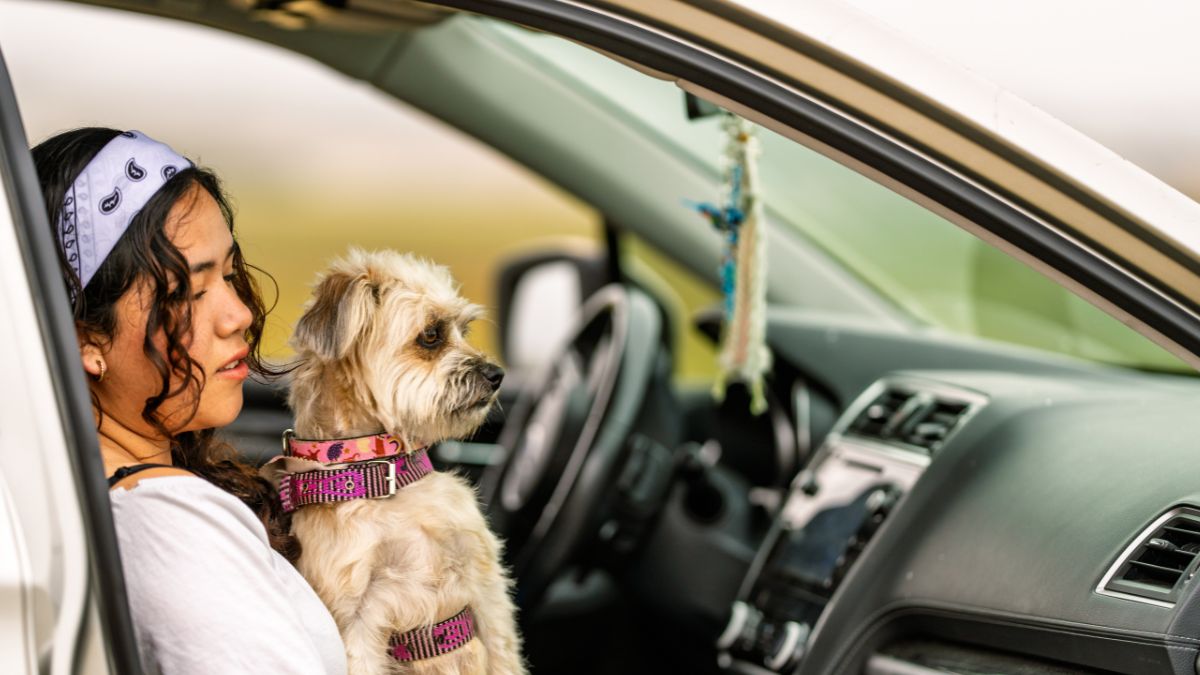
The first thing most dog owners discover is that their pet needs to learn how to travel before the big adventure begins. A dog that has only ever been in the car for a ten-minute ride to the vet is not ready for a four-hour drive. Travel is a skill for dogs just as it is for people, and it has to be built gradually. In the weeks leading up to a trip, short practice drives that end somewhere fun, like a park or a favorite trail, teach a dog that the car is not something to dread. Motion sickness is also far more common than people expect, and feeding a dog three to four hours before departure dramatically reduces the chances of an unpleasant detour.
The second lesson hits fast: familiar smells matter more than anything you can buy. A brand-new dog bed in a strange hotel room will do very little to calm an anxious pup, but a worn t-shirt or a blanket that smells like home can make an unfamiliar space feel safe almost immediately. Experienced dog travelers often describe packing these comfort objects as essential, on the same level as food and water bowls. The science backs this up too. Dogs process the world primarily through scent, and objects that carry the smell of home serve as genuine anchors in disorienting environments.
Third, research becomes a way of life. Not every hotel that calls itself pet-friendly actually rolls out the welcome mat, and assumptions can lead to a lot of unnecessary stress at check-in. The same goes for beaches, hiking trails, national parks, and even outdoor restaurant patios. Calling ahead or checking directly with a venue saves both time and frustration, and it opens up surprising possibilities. Many destinations that do not advertise themselves as dog-friendly turn out to be quite welcoming once you ask. Keeping health records and vaccination documents on hand is equally important, particularly for any travel across state lines or internationally, where officials may request proof of up-to-date vaccinations.
The fourth and perhaps most lasting lesson is that a dog completely restructures a trip’s itinerary, in mostly wonderful ways. Regular stops for walks and bathroom breaks mean more time spent outside and in neighborhoods that a passing tourist might otherwise miss. Dogs attract strangers and start conversations. They turn a solo road trip into something social and force a slower, more grounded pace that ends up feeling like the right speed for actually experiencing a place. The destinations themselves may not change, but the way you move through them does, and most people who travel with their dogs say they would not have it any other way.
Dogs have been human travel companions for thousands of years, long before the concept of a “pet-friendly hotel” existed, with evidence of people journeying alongside their dogs found in ancient Roman road records. The average American dog owner now spends more on pet travel accessories than on their own luggage. And here is one detail that never stops being interesting: dogs can actually sense the difference in a human’s anxiety level when boarding an airplane, which is part of why calm owners tend to have calmer dogs at the gate.
Have you ever taken a trip with your dog, and what was the most surprising thing you learned along the way? Share your experience in the comments.