

10 mistakes pet owners make when traveling internationally
Traveling internationally with a pet can be smooth, but small mistakes can quickly turn into big problems. From missing paperwork to choosing the wrong carrier, many issues are preventable with the right planning. These common travel errors can lead to denied boarding, quarantine, stress for your pet, or unexpected costs. The good news is that most problems are avoidable with early prep, correct documents, and airline clarity. A little planning protects both your trip and your pet’s well-being.
1. Waiting too long to check entry rules

Many owners assume pet travel rules are similar everywhere, but every country sets its own requirements. Some destinations require microchipping, rabies vaccination, parasite treatment, blood tests, and specific forms within strict time windows. If you start too late, you may not be able to complete the process in time, even if your pet is healthy. Check official government guidance early, ideally 8 to 12 weeks before travel. This also gives you time to fix errors, reschedule vet visits, or adjust flights if needed. Early planning is the biggest stress reducer. It also helps you avoid costly express paperwork services.
2. Assuming a regular vet visit is enough
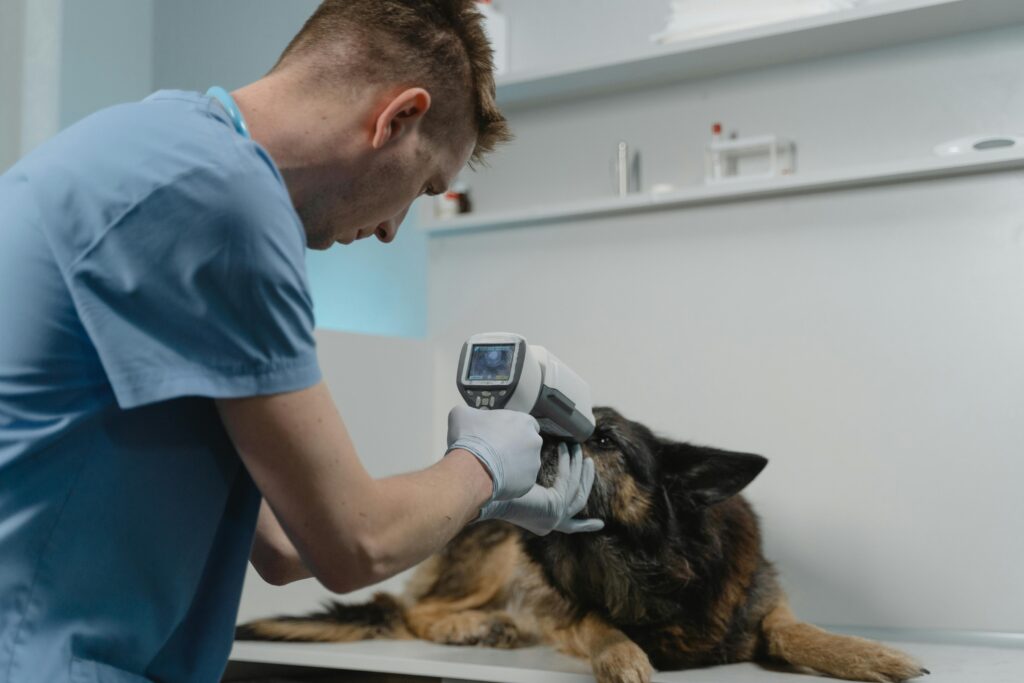
A standard wellness visit is not the same as a travel health certificate appointment. International travel often requires a specific exam date, official forms, and a veterinarian who can complete them correctly. Some countries also require endorsement by a government authority after the vet signs. If paperwork is missing, incorrectly dated, or incomplete, airlines and border officials can deny boarding. Ask the clinic if they handle international certificates, and confirm who completes endorsements. Many owners lose days simply because they booked the wrong type of appointment. It’s also smart to ask how long processing typically takes.
3. Getting the rabies timeline wrong
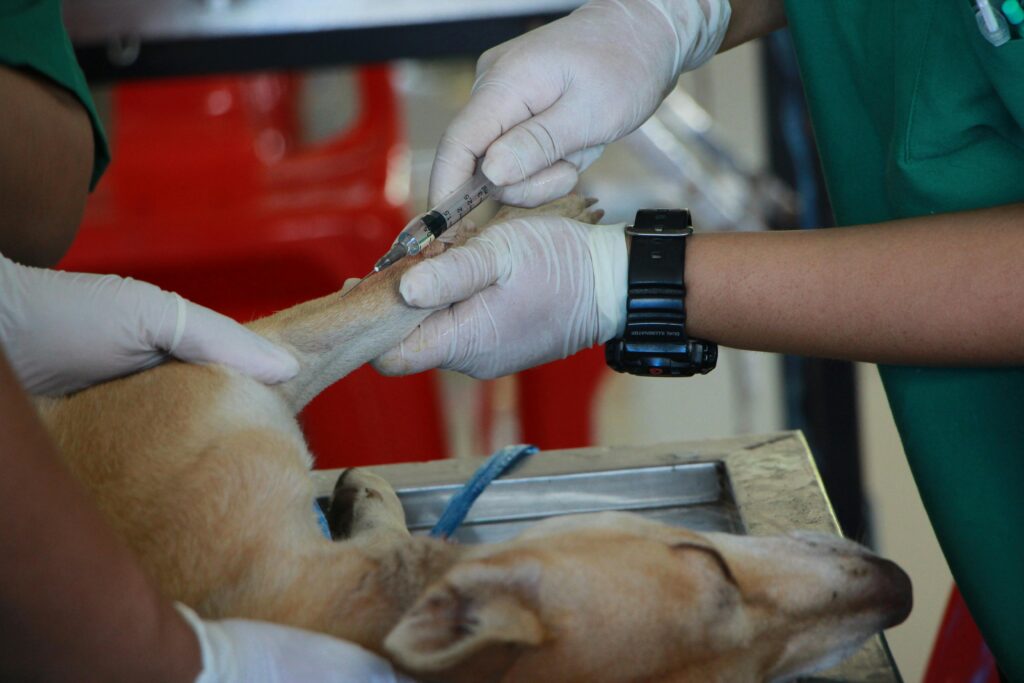
Rabies rules are one of the biggest reasons pets get delayed or denied entry. Some countries require the rabies vaccine to be given after the microchip is implanted, not before. Others require a waiting period after vaccination, or a rabies antibody titer test with long processing times. Even if your pet is vaccinated, incorrect timing can still disqualify the paperwork. Double-check every date and keep clear records. One missed day can derail the trip and force rebooking. It’s one of the easiest mistakes to avoid with a simple checklist. Keep both printed and digital copies of vaccine records in case documents get questioned at check-in.
4. Choosing a carrier that does not meet airline rules
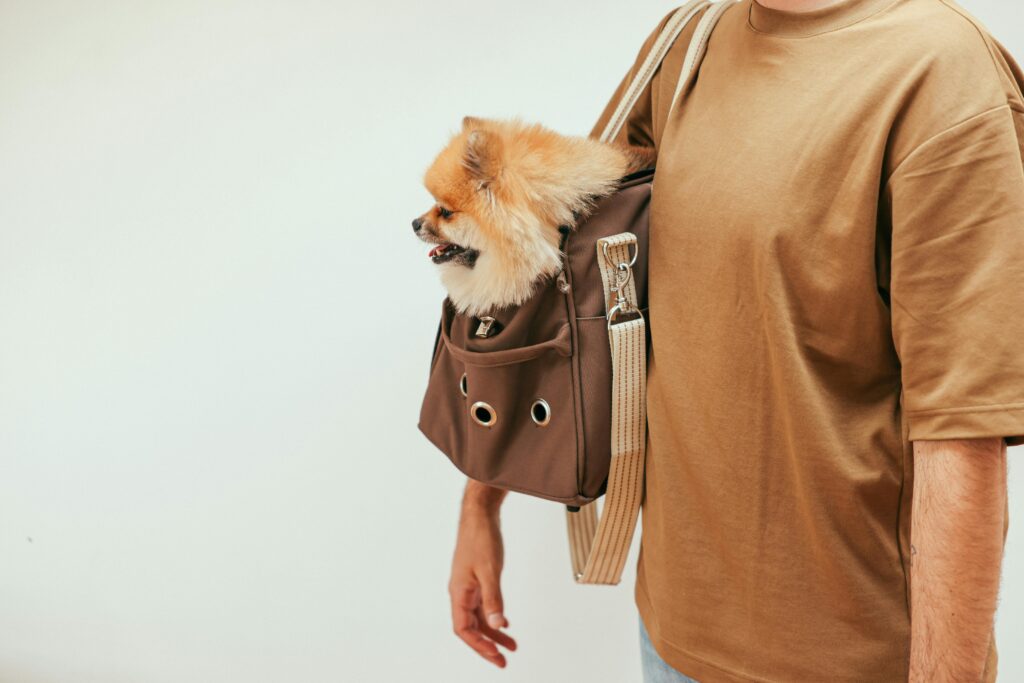
Not every carrier sold online is truly airline-compliant, even if the listing claims it is. Airlines have strict rules for size, ventilation, structure, and how the pet fits inside. If your pet cannot stand, turn around, and lie down comfortably, the airline may refuse travel. Hard-sided crates for cargo have additional requirements, including locks, labels, and bolt strength. Verify directly with the airline and test the carrier at home. This avoids stressful surprises at check-in. It also helps your pet feel safer once the trip begins. A familiar blanket or unwashed T-shirt inside can reduce anxiety.
5. Booking flights without confirming pet capacity
Many airlines limit how many pets can travel on each flight, especially in the cabin. Buying your own ticket does not automatically confirm your pet unless you reserve a pet spot separately. Some routes, aircraft types, and seasons have stricter limits, and approvals can fill quickly. Owners often find out too late that the flight is already at capacity, forcing expensive rebooking. Call the airline right after booking and request confirmation. If possible, keep it in writing for check-in. Also, confirm the pet fee and payment method in advance. Some airlines require payment at booking, not at the airport.
6. Ignoring the stress of long layovers and transfers
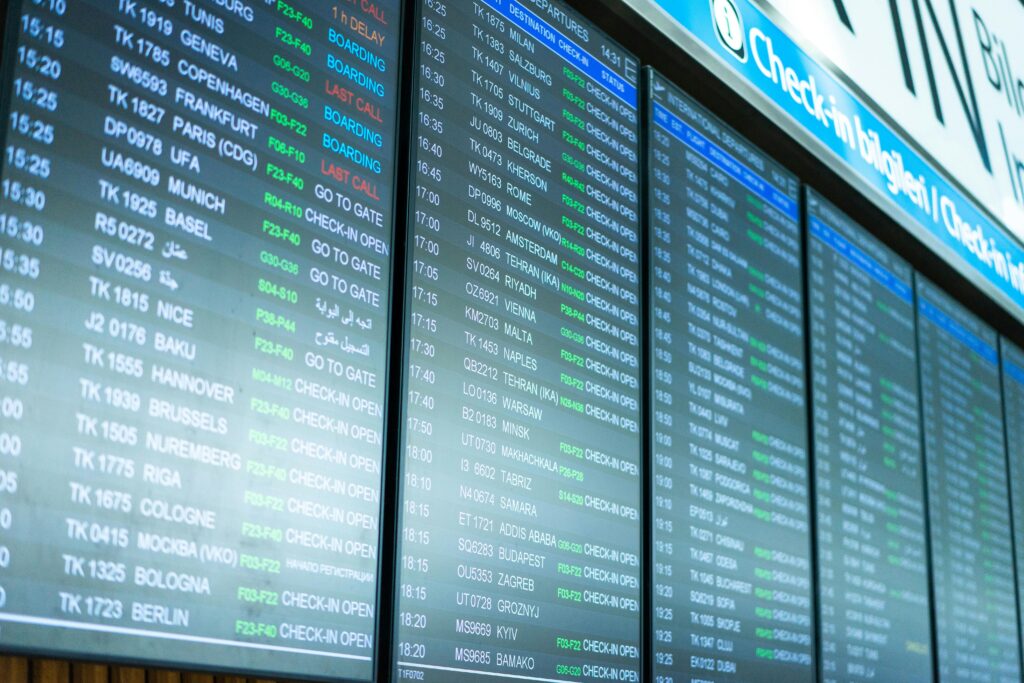
Layovers can be harder on pets than the flight itself. Airports may have limited relief areas, long walking distances, and confusing transfer procedures. If your pet is traveling in cargo, connections increase handling time and raise the risk of delays or misrouting. Even for cabin pets, long layovers can mean missed feeding, water breaks, and rest. Whenever possible, choose a direct flight. If you must connect, research the airport’s pet relief options and transfer rules. A simpler route usually means a calmer pet and fewer travel surprises. Try to avoid overnight layovers, since services may be closed.
7. Not preparing the pet for the carrier early
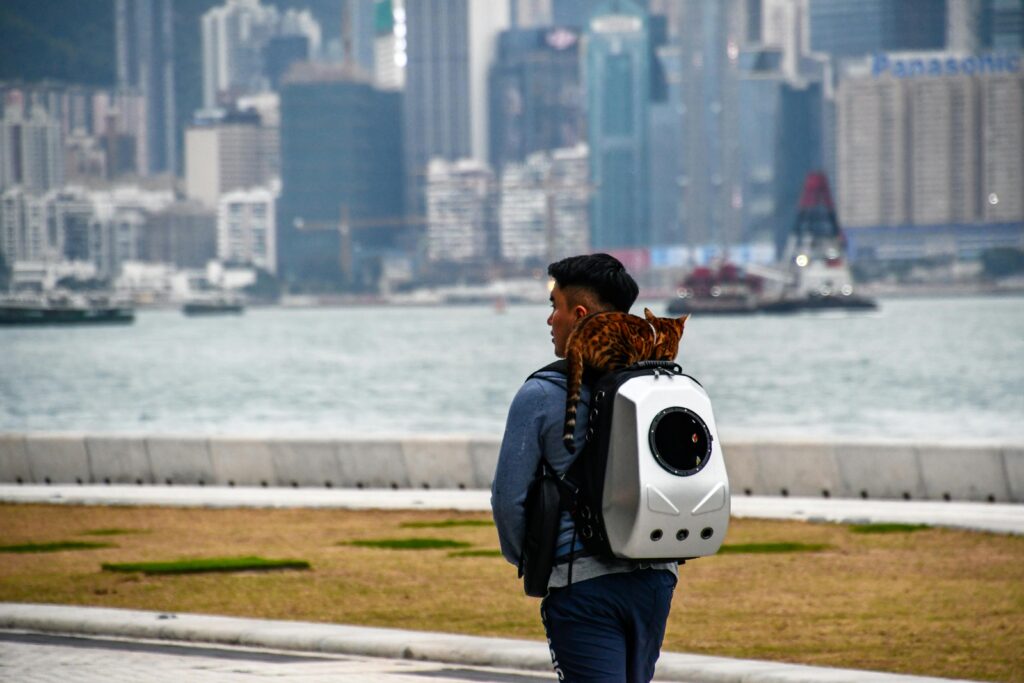
A carrier should feel like a safe space, not a surprise on travel day. Pets who are not used to confinement may panic, scratch, vocalize, or refuse to enter. This creates stress at check-in and can make the trip miserable for everyone. Start carrier training weeks in advance using short sessions, treats, and calm reinforcement. This also confirms the carrier is the right size. The goal is comfort, not forced compliance on departure day. A calm pet also makes airport staff more willing to help if issues come up. If your pet is nervous, start with the carrier left open at home as a familiar resting spot.
8. Overfeeding, underpacking, or forgetting essentials

Many owners pack their own luggage carefully, but forget what their pets need for long travel days. Food, collapsible bowls, a leash, waste bags, and a small comfort item should always be easy to access. Overfeeding before a flight can cause nausea, while skipping water completely can lead to dehydration. The best approach is light feeding and a simple pet kit in your carry-on. Packing an extra day of food is smart for delays or missed connections. A backup leash and an ID tag can also save you in crowded airports. Bring a recent photo of your pet on your phone. For cats, a small disposable litter tray can be a lifesaver during long travel days.
9. Using sedatives without proper veterinary guidance

Sedating a pet for travel can be risky and is discouraged by many airlines. Sedatives may affect breathing, balance, and heart rate, especially at altitude or under stress. Some pets react unpredictably and may become more anxious instead of calmer. If your pet struggles with travel anxiety, speak with a veterinarian well in advance about safer options. This may include training, gradual exposure, or approved calming support. Never give leftover medication from a past visit, even if the dose seems small. When in doubt, prioritize calm routines over quick fixes.If your vet suggests a calming product, do a trial run at home first.
10. Forgetting the return trip requirements
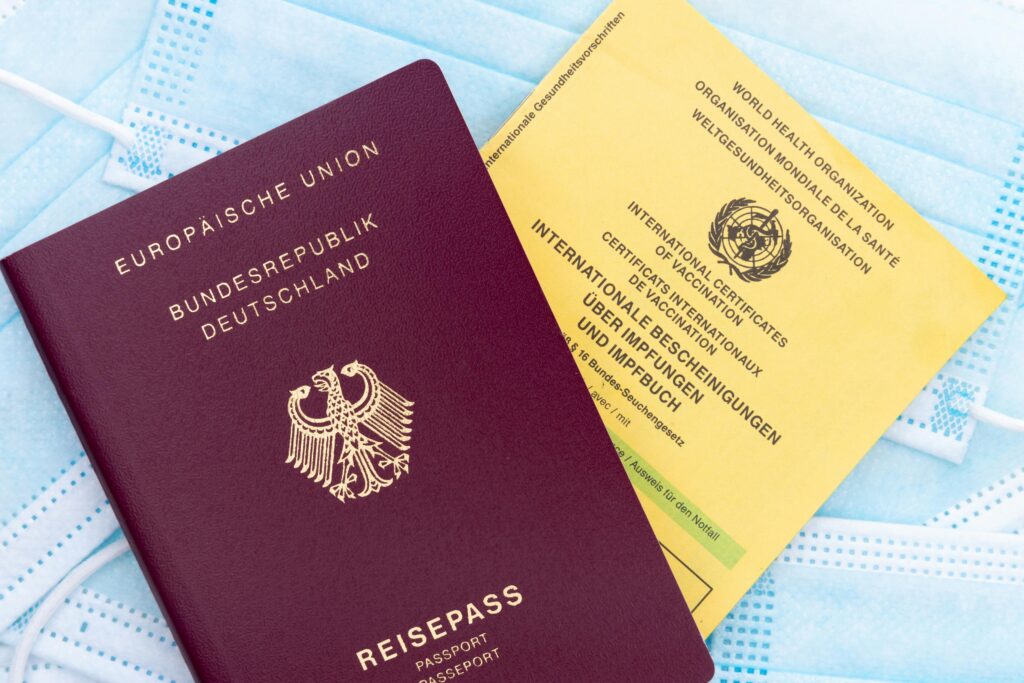
Owners often plan entry rules for the destination, but forget the rules for coming home. Returning to the US may require proof of rabies vaccination, microchip documentation, or additional forms, depending on the country visited. Some destinations also require exit paperwork, vet checks, or endorsements before leaving. If you do not prepare, you may get stuck abroad longer than expected with extra costs. Confirm re-entry rules before you fly out, and keep copies in both digital and printed form. Planning the return early prevents stressful last-minute vet hunts overseas. A little return-trip planning protects your budget as much as your schedule.


